The Pitt, Brain Death, and My Repressed Emotions
The Complicated Death of a Teenager
As the brain dead teen laid in the bed, his tattoo arm sleeve still demonstrated his personality. I'll never forget the beautiful images.
Five days earlier, I met his parents in a consult room. At that time, his mom would not accept the news of his brain death.
She begged God for a miracle, and implored us to wait--to leave him on life support.
Waiting is complicated in these situations--when a patient has been declared brain dead.
One complication in this case was that the young man was "donor-designated"--he had a heart ❤️ on his license.
In the state of Indiana that's considered a binding advance directive.
In plain English--he was going to be an organ donor whether mom approved or not.
For days, she did not approve.
Yet, ten days after his car accident, the organ procurement organization was gowned up, standing outside his ICU room, and ready to take him to the operating room.
An honor walk was scheduled for the afternoon.
Then it was pushed back to early evening.
Healthcare Leaders--Always On Call
It was Friday. I was at home. I was not on call. But healthcare leaders know that--in situations like these--it doesn't matter if you are technically on call or not. At 6:30 that evening, my phone rang.
"The mom is refusing to accept the brain death diagnosis--again."
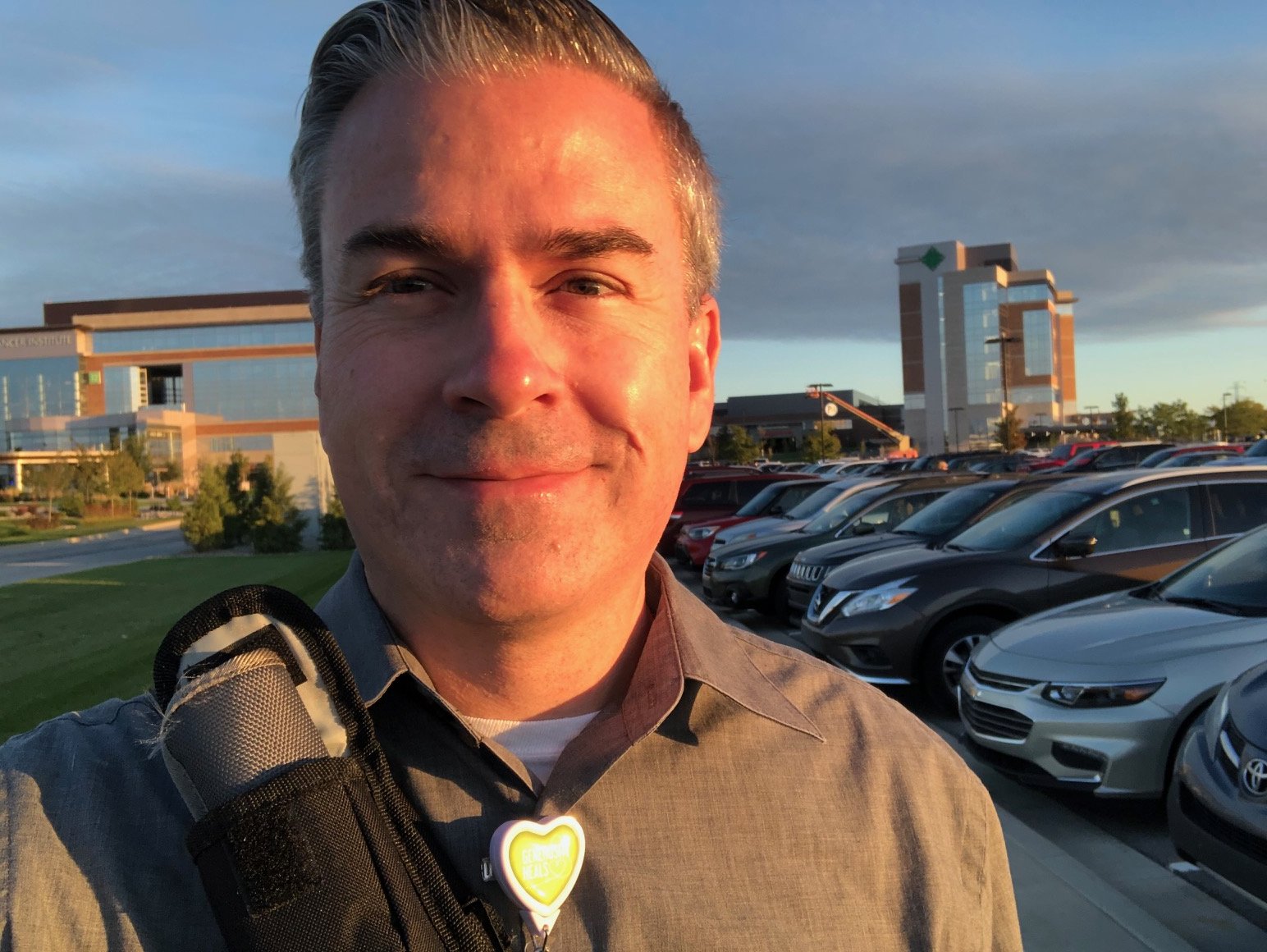
After a long week at work, I didn't bother to put my suit back on. I just grabbed my badge and headed back to the hospital.
"She said she'll throw herself onto his bed if we try to wheel him to the OR for organ recovery..." the nurse leader was working late, too.
At 6:45, I met with the team outside of his room--donor network, nurses, and public safety. They were throwing up their hands, at a loss for what to do next. They were stuck between the need to procure his organs and the possibility of having to physically restrain his mother.
No one wants to be heavy-handed with a grieving mother. Least of all, me.
After all, her son was the same age as one of my own sons. Putting myself in her shoes was easy.
Both our sons were big-hearted, outgoing, faith-focused young men.
The Tug-of-War between Grief and Medicine
The team looked at me--"What are we going to do?"
I assured the representative from the organ procurement agency that we understood--the patient had to donate.
"Can I go into the room?" I asked.
Inside, I hugged his mom. I stood in silence. I asked about his tattoos. We made some connections about our faith, our friends, and being parents.
"Are you 100% sure he is brain dead?" Mom finally choked out her question.
I stayed silent. She wasn't actually looking for answers.
Later, I gently slid the words out to mom, "You asked if we are sure. The answer is yes, we are 100% sure."
Finally, she started to cry.
"No one can say I didn't fight for him until the end..." she surrendered.
"No," I echoed. "No one can say that."
We encircled the young man in prayer. RNs, Nurse Manager, donor network team, family, and me. Tears fell onto the concrete floor. Just as they are falling on my desk and keyboard as I write these words.
The honor walk solemnly began after the long delay. Dozens of family and friends lined the hallways, peppered with staff from our hospital.
When we reached the red and white tape on the floor that designated the entrance to the surgery wing, the procession stopped for the parents to say goodbye one last time.
Even Hell is Filled with Miracles
Nearby, one of our public safety officers stood--quiet and respectful--grateful he wasn't called on to restrain this grieving mother.
Mom spotted a tattoo on the officer's arm--a bright, colorful depiction of heavenly gates. Standing at the surgery threshold after her son was wheeled away, she took his arm in her hands, wiping tears.
She touched the officer's tattoo. Held his arm. He did not pull away. He understood.
As her son entered those gates, it just so happened that an officer stood nearby with this icon blazing across his arm.
Back in the ICU room, now empty, the patient's dad thanked me for coming. He said, "You preserved a lot of peace tonight."
The Incurable Condition of Moral Distress
Yesterday, I read a social media comment that claimed one of the tasks of nursing school is to "spare future nurses moral distress."
Obviously, that is bull sh*t.
As vital as education is, nothing prepares a person for these moments.
Moral distress and moral injury can never be eliminated in healthcare. As long as teenage boys, completely sober, total their cars and end up braindead, there will always be moral distress.
The Pitt and The Truth About Healthcare
That's the end of my story. If you want to discover my reason for writing now, read these last few paragraphs.
I am probably the last person in America to finally start watching the hit series The Pitt.
Season one includes the story of Nick Bradley. A braindead teen boy.
Nick and my patient were similar.
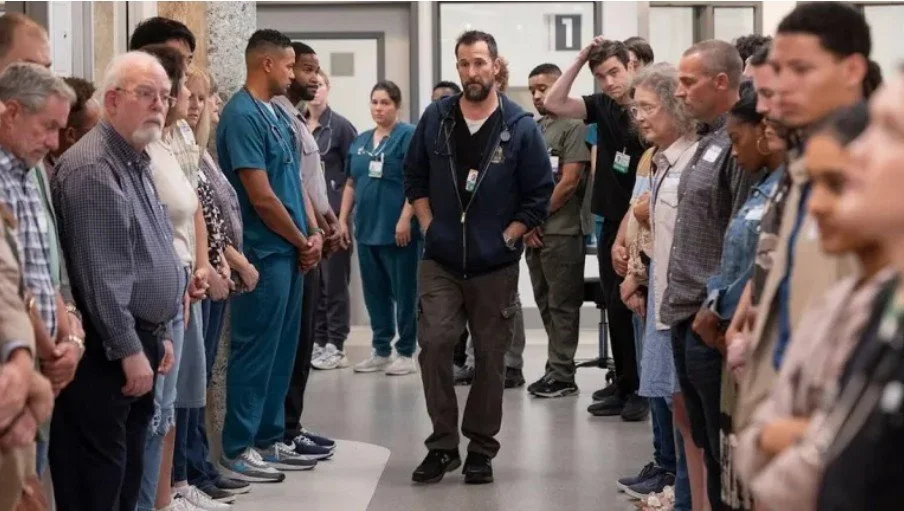
I cried several times while we watched these episodes, and my experience came rushing back like a spring-loaded punch to my face.
Had I repressed this story--this experience of secondary trauma?
Probably.
Why?
Not because it was the hardest experience I witnessed. It wasn't.
It was for three personal reasons:
It was because this patient's death occurred two months after a good friend of mine died during childbirth. I stood in her room when she was also declared brain dead. And my wife and I became primary support people for her widower and newborn baby (that would last for a couple of years).
This patient with the tattoos died one week before my father-in-law died. One of the world's sweetest men, his absence left a huge hole for our whole family.
Finally, this patient died two weeks before my own son graduated from high school.
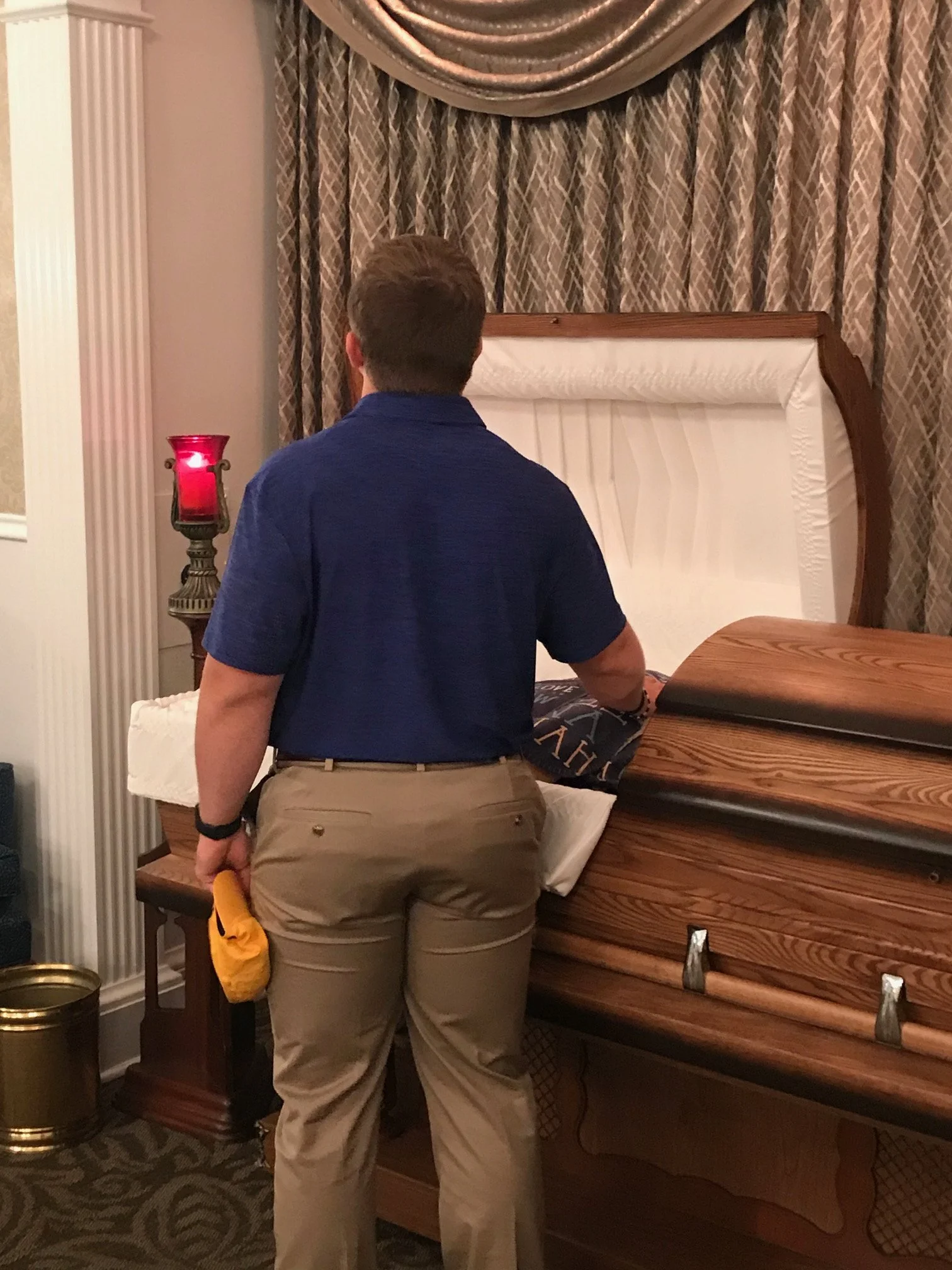
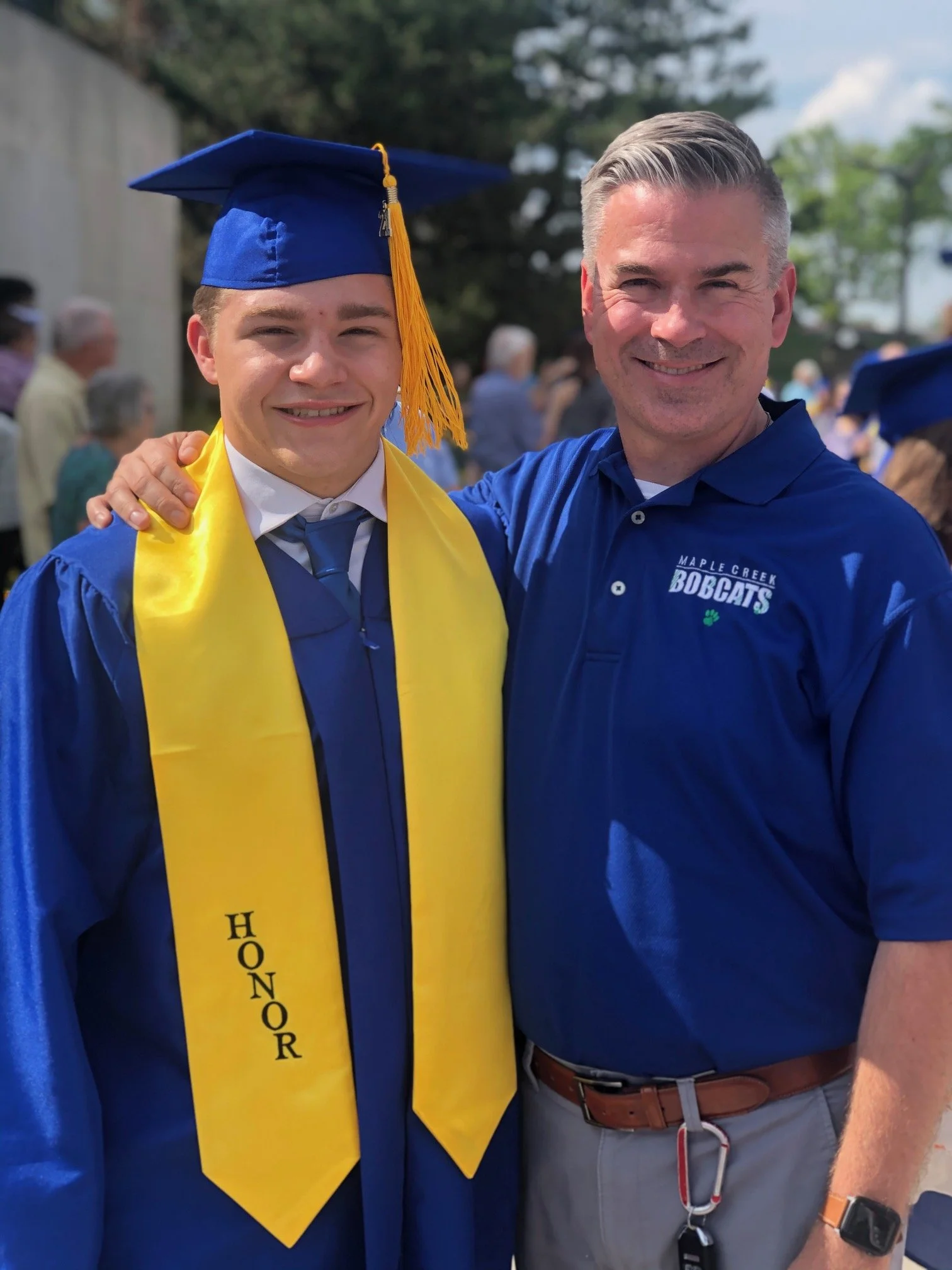
So, yeah. I probably repressed my feelings about this experience until--years later--it was safe to feel them while watching Dr. Robby navigate Nick Bradley's death.
These morally distressing patient experiences--they never happen in a vacuum. We face them in the middle of our own stories.
Today, healthcare workers are showing up for their patients despite...
Their miscarriage grief still feeling raw
The angst from their last shift trying to pin them to their bed
Their mind looping on the last patient they watched die
Their questions about what good they are doing in this broken and dying world
And, while they work today, something will go wrong. They'll lose a patient. Or be physically assaulted. Or a leader will be overly critical. Or a family member will accuse them of not caring about their patient.
When people talk about moral distress, stress in healthcare, and burnout as something we have to "fix"--it demonstrates that they don't understand.
You don't fix this.
You address it. You acknowledge it. You try to overcome.
But it can't be fixed.
And that. That's why I do what I do.