
Blog
Leadership, Burnout,
and the Realities of Work
Practical posts drawn from healthcare leadership,
coaching, and real-world experience.
I didn’t cry for 457 days
😔 I didn’t cry for 15 months.
🤔 I had always assumed that depressed people cried constantly.
Of course I was wrong.
😞 Depression, for me, felt like soul-level fatigue, anxiety, and detachment.
😶 From the time of my AFib incident, caused by workplace stress and burnout (link in comments), I did not cry for 457 days.
A younger, less experienced Patrick Riecke might have considered this a heroic feat of internal strength.
After all, tears are a sign of weakness, right? ❌
🙅🏼♂️ No.
(Credit Kristen Riecke)
😢 Tears and normal, natural, and necessary.
💊 After eight months of worsening depression and anxiety, I finally accepted the medical intervention my doctor had offered.
I went on an SSRI for the first time in my life.
😔 What made me finally accept help?
😨 My dark days were getting scarier. Once, I saw panic on my bride’s face, Kristen Riecke, scared that she was losing me.
So, yes, this intervention was necessary. I talk more about this in a previous post, linked in the comments.
🧘♂️ Coupled with lifestyle changes, daily meditation, and a host of other adjustments, I started to heal from workplace stress and #burnout.
🏥 Months later, the intensity of my daily life decreased dramatically when I left my #healthcarejob after more than ten years. I loved that job, but it was time for a change.
💬 So, last month, I talked with my doctor (and spouse) about tapering off of the medicine.
To be honest, I missed being able to cry.
😞 Depression took that from me.
💊 And while the SSRI saved my life, it leveled out my emotions so effectively that tears were still elusive, even as my depression faded.
A few weeks ago, under #physiciansupervision, I took my last dose of the medicine I needed for eight months.
Have the tears returned?
Uh. Yes.
😭 I have cried at least ten times in the last two weeks. #notashamed
😊 But 100% of them, so far, have been tears of joy, pride, or gratitude.
For example:
😭 I cried because of the help given to me by lifelong friend Andy Didyk, coaching my new business.
😭 I cried because my son Daniel Riecke is living life in pursuit of his dreams.
😭 I cried because our daughter got her driver’s permit (tears of joy, honest!).
😭 Heck, I cried over the #Kia Super Bowl ad (linked in the comments).
1️⃣ First, men cry. Professionals cry. People who have it “all together” cry, or at least we should.
Educated, polished, suit-wearing, white, middle-aged men with “Rev.” before their name–we MUST cry. And we must never shame others for doing likewise.
2️⃣ And second, if #depersonalization is one of the hallmarks of #burnout (and it is), then the return of my tears is a signal that my #burnoutrecovery is nearing completion.
So, welcome back, crying Patrick. I’ve missed you.
😭 And now I’m crying. 😆
#crying #tears
Join the conversation and see the links on LinkedIn: Click Here
Wellbeing programs
⚠️A warning about well-being programs: They can make burnout worse!
🩹There are studies that show positive results when wellbeing programs are introduced. But they aren't a bandage for deeper issues.
📚If you require your team to work unreasonably long hours with insufficient pay and support, don't hand them a gratitude journal.
😤They might throw it back at you!
Guilt for moral distress
😰 This still causes me guilt--and sometimes shame.
🙏🏽 Thank you to an attendee from yesterday's event at Parkview Health. She gave me a new perspective on the zero visitor policy that #hospitals enacted during the pandemic.
Groundhog Day
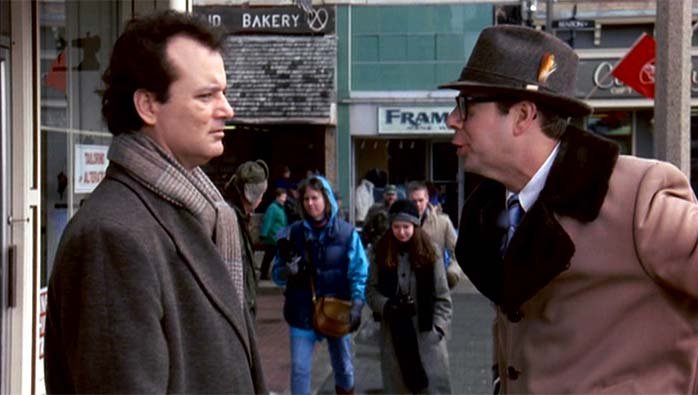
😂 Who remembers this movie? Extra points if you comment the name of the character in the hat.
📆It's Groundhog Day! If your job feels like this, you might be experiencing #burnout!
#groundhogday #groundhog #billmurray #roboticatwork
Bucket List Day!
🎉 Bucket list day!!
😁 I coach burned out professionals to create a bucket list. That might sound crazy. "I am emotionally exhausted, darkly cynical, and questioning the meaning of my life. And you want me to make a bucket list!?"
✅ Yes!
🤗 Why? Because it reminds us that we have value. It's okay to have desires and do more than just survive. Making a bucket list can also be a healthy distraction from occupational overwhelm. It shift my focus to joy, connection, and hope.
Ben Nemtin is an inspiration for many to overcome depression and listlessness by creating a bucket list. His hashtag#bucketlistjournal has inspired me.
🏀 Today I am crossing off another bucket list item as I recover from #workplaceburnout. Two of my adult children, Levi and Daniel Riecke, are traveling to Bloomington to see the Indiana University Men's Basketball team live in action.
☀ Looking forward to days like today brighten my spirit and remind me that I am more than just a job title.
🙏 Special thanks to Raymond Dusman, MD, MBA, a good friend who provided the tickets for us!
❓ What's on your bucket list? Comment below. Maybe someone will see your comment and help you check it off!
#onepercentmorehuman