
Blog
Leadership, Burnout,
and the Realities of Work
Practical posts drawn from healthcare leadership,
coaching, and real-world experience.
From Burnout to Bucket List
In October 2019 the health system I worked for invited inspirational speaker Ben Nemtin to deliver a keynote speech. His presentation changed my life.
His central question was: What do you want to do before you die?
“At the end of their lives, more people regret the things they didn’t do, than the things they did do,” Ben explained.
In my previous roles I have led teams as they have responded to more than 15,000 patient deaths. We had a front-row seat when many of our citizens arrived at the end of their earthly journey. So, I knew that Ben is on to something. But for me, there was one big problem.
This question feels, I don’t know … selfish.
When I was a Christian pastor, I lived my life with a certain (incomplete) framework. My mental script has gone like this:
“What is the right thing to do?”
“How can I be more selfless?”
“What does the world need and how can I deliver it?”
Perfectly fine questions, and I believed I was pleasing God with this framework for my life. But it has had some negative outcomes.
Living my life through the lens of “should” instead of “want” has led to:
Frustration (with myself and others)
Trying to control (myself and others)
Shame (when I did something wrong)
Resentment (when things didn’t turn out the “right” way)
When Ben came out with his “Bucket List Journal.” I was still living with frustration and shame. Even so, I preordered a copy of the journal. I took it as a sign when, the next week, Ben returned to my area, and spoke at a fundraiser for Erin’s House for Grieving Children. My wife and I arrived early, visited with Ben, and enjoyed his talk.
I realized it was time to start making my own bucket list. Could it help me adjust my framework so I felt less shame and resentment?
Tentatively, I started compiling my list.
Here are a few items I have included:
48. Visit the Holy Land
65. Attend an Indiana University men’s basketball game at Simon Skjodt Assembly Hall in Bloomington
5. Have lunch with Ben Nemtin
36. Be a keynote speaker for an event outside of the United States
Here are a few that I have already crossed off:
60. Boil a tea kettle until it whistles (yes, I lived to be 44 years old and had only seen this on TV)
18. Own a three-year supply of firewood
58. Set up a nice, quiet home office
11. Work with a financial advisor
My list is evolving and my goal is to hit 100 bucket list items. And it’s starting to make an impact (even though I am still a bucket list novice). In fact, the list might be decreasing my shame and resentment.
Item No. 18 (above) is a perfect example: Own a three-year supply of firewood.
One summer, I added this item to my bucket list. Then, I noticed that my neighbor had a huge supply of firewood. It ran the length of one side of his house, and they didn’t seem to use it. But I don’t know this neighbor very well, even though we have been neighbors for years. And I feel guilty about that.
Every day that summer, I planned to ask him if I could buy some of his wood. It would be a lot easier than transporting that much wood from someplace else. I saw him from time to time. I wanted to ask, but I kept chickening out.
This is what was going through my mind:
The right thing would have been to be a better neighbor. But I haven’t done that. I feel ashamed. Why would he care if I want some easy-to-transport firewood? In fact, he probably hates me because I haven’t been the neighbor I should have been.
See what I mean? Living with the framework of solely trying to do the right thing led to shame, distance and an extreme lack of firewood.
The lie I believed was that my desires don’t matter.
Once we believe that lie, it’s a small leap to the next lie–that I don’t matter.
One day, I was mowing the lawn. I had my shirt off, which is kind of gross and probably the wrong thing to do for a man my age. Just then, my neighbor appeared out of his garage. I swallowed hard and ignored my inner critic telling me I should keep my mouth shut since I am a bad neighbor. I let go of the mower handle, killing the engine, but breathing life into my own desires.
“Hey, Bob (not his real name),” I stammered. “Uh, I was gonna buy some firewood, so I thought I would. Well, I wonder. Would you mind selling me some of yours, if you don’t mind?”
I swallowed hard again. I felt like I was speaking a foreign language. The language of “want” instead of the language of “should.”
He didn’t miss a beat, probably because he hadn’t rehearsed this interaction in his head a hundred times as I had.
“Oh, take as much as you want. We don’t use it.”
“OK,” I gained a little confidence. “Would $50 be enough if I took about half of it?”
“You don’t need to pay me anything, you’re welcome to it,” he said.
“Thanks,” was all I said.
But what I meant to say was, “This crosses off No. 18 on my bucket list of things I want to do before I die. It was super hard for me to ask you this, but now I feel so affirmed that living this way is really possible. I feel free and unashamed; like I am worth it! I am valuable enough to have a three-year supply of firewood. Thank you, Bob. Thank you!”
Upon reflection, it’s probably good that I didn’t say all of that. He would have thought I was nuts.
Reframing my life as an adventure where I get to do things I want to do (before I die) is having the following effects:
Increased energy – Pursuing something I want is more energizing than avoiding a wrong action.
Inspiring others – I signed up for an online course called “Travel-Hacking” to become a more knowledgeable traveler (bucket list item No. 57). Immediately, I texted our four kids. They replied, and I quote, “Yessirrr” and “Let’s go, Dad.” They included a goat emoji, meaning I was the “greatest of all time.” That might be an overstatement.
Increased gratitude – I look at my pile of firewood often. I sit in my new quiet home office, and I feel deeply thankful. These are things I wanted. Now I have them. And I thank God.
Decreased shame – Nothing busts shame and resentment like crossing something off my list!
Desire affirming – I find joy in crossing things off my bucket list.
Recently, I again mustered the courage to ask for help crossing an item off my list. I’ll keep the specifics to myself, but I mention it because another person was involved in making it possible, and I think creating a bucket list has a ripple effect.
After making my request, the young man working behind the counter clickety-clacked the keyboard. His name tag told me that he was from India and his name was Joe. In a few swift movements, he granted my request with ease. My eyes brimmed with tears of joy.
“Joe,” I said in a solemn voice. “Do you know what a bucket list is?” He gave me a confused look at first. “A list of things you want to do before you die.” I offered. His face registered recognition.
With tears, I said, “You just helped me cross an item off my bucket list.” I stared into this stranger’s eyes for an uncomfortably long time. “Thank you.”
“You are welcome, sir, very welcome. Thank you.” Joe’s eyes got a little glassy as well, knowing he made a difference in someone else’s life.
How about you? What do you want to do before you die?
Do you have a bucket list?
Are you worth it?
Could you start one today? Record it on paper or a note on your phone.
What’s the next step for you to pursue your desires?
10 Phrases to Leave Behind in 2025 (And What to Say Instead in 2026)
The calendar changed. Your burnout didn’t.
A new year doesn’t magically erase moral distress, overload, or the fatigue that’s been building since long before the holidays. But the way we talk about work, rest, responsibility, and ourselves does shape how we experience them.
So instead of setting unrealistic resolutions, here’s a healthier approach for 2026:
Retire the language that kept you stuck in burnout—and replace it with words that make space for recovery, clarity, and agency.
Here are 10 phrases to leave in 2025, and what to say instead this year.
1. “It’s fine. I’ll just handle it.”
Say instead: “I can help—but not on this timeline, or not without support.”
Because saying yes to everything is not responsibility. It’s avoidance of conflict at your own expense.
2. “Everyone is counting on me.”
Say instead: “This matters, but it doesn’t depend entirely on me.”
Burnout grows in isolation. Healthy teams share the work—and the weight.
3. “This is just how it is here.”
Say instead: “Something has to change, and I’m willing to start the conversation.”
Acceptance is not the same as resignation. One keeps you sane. The other keeps you stuck.
4. “I’ll rest when things slow down.”
Say instead: “Rest is part of how I keep going.”
Things won’t slow down. Burnout isn’t cured by waiting for calm—it’s prevented by building rest into the chaos.
You can take breaks along the path of service.
5. “If I don’t do it, no one will.”
Say instead: “If I am the only one who can do this, we have a systems problem.”
Martyrdom is not a winning strategy.
6. “I can push through.”
Say instead: “My limits aren’t the problem, they are what make me human.”
Pushing through is how people end up in urgent care, HR meetings, or drafting resignation emails at 2 a.m.
7. “It’s selfish to say no.”
Say instead: “Saying no allows me to say yes to the things that matter.”
Neither your time nor your energy are infinite.
8. “I don’t have time to think about what I want.”
Say instead: “Pursing personal desires isn’t just for others—it’s for me, too.”
If you’re not directing your life, exhaustion will.
9. “Other people have it worse.”
Say instead: “Pain isn’t a competition. Mine still deserves attention.”
Compassion for others shouldn't require neglecting yourself.
10. “This is normal.”
Say instead: “It’s common. That doesn’t make it healthy.”
Burnout may be common in healthcare, leadership, education, or corporate life—but that doesn’t mean it’s acceptable.
Want a Clearer Starting Point for 2026?
If you're not sure where your burnout level really is heading into the new year, take two minutes and find out here:
MyBurnoutTest.com
Looking Ahead
In 2026, don’t promise to be stronger, tougher, or more resilient.
Promise to be more honest.
With your energy. Your limits. Your values. Your voice.
If your organization needs a speaker or workshop on burnout, moral distress, or creating a healthier workplace culture this year, you can check my availability here:
https://patrickriecke.com/live-presentations
Or, if you want ongoing resources, reflection tools, and a recovery path you can actually follow—explore The Burnout Hub:
https://www.myburnouthub.com/learn-more
2025 Round-Up
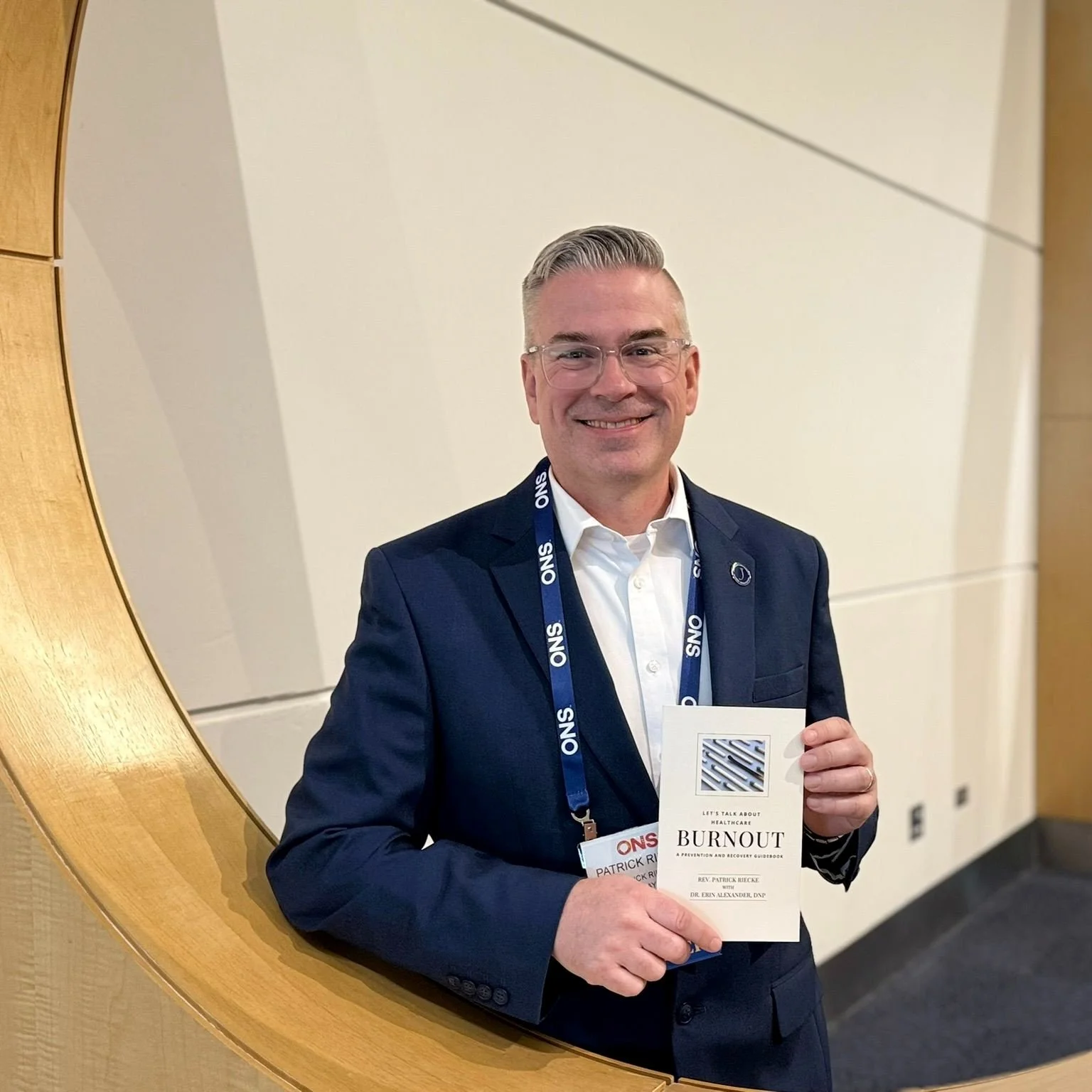
As the year comes to a close, I’ve been reflecting on just how many miles, conversations, and meaningful moments this work has included.
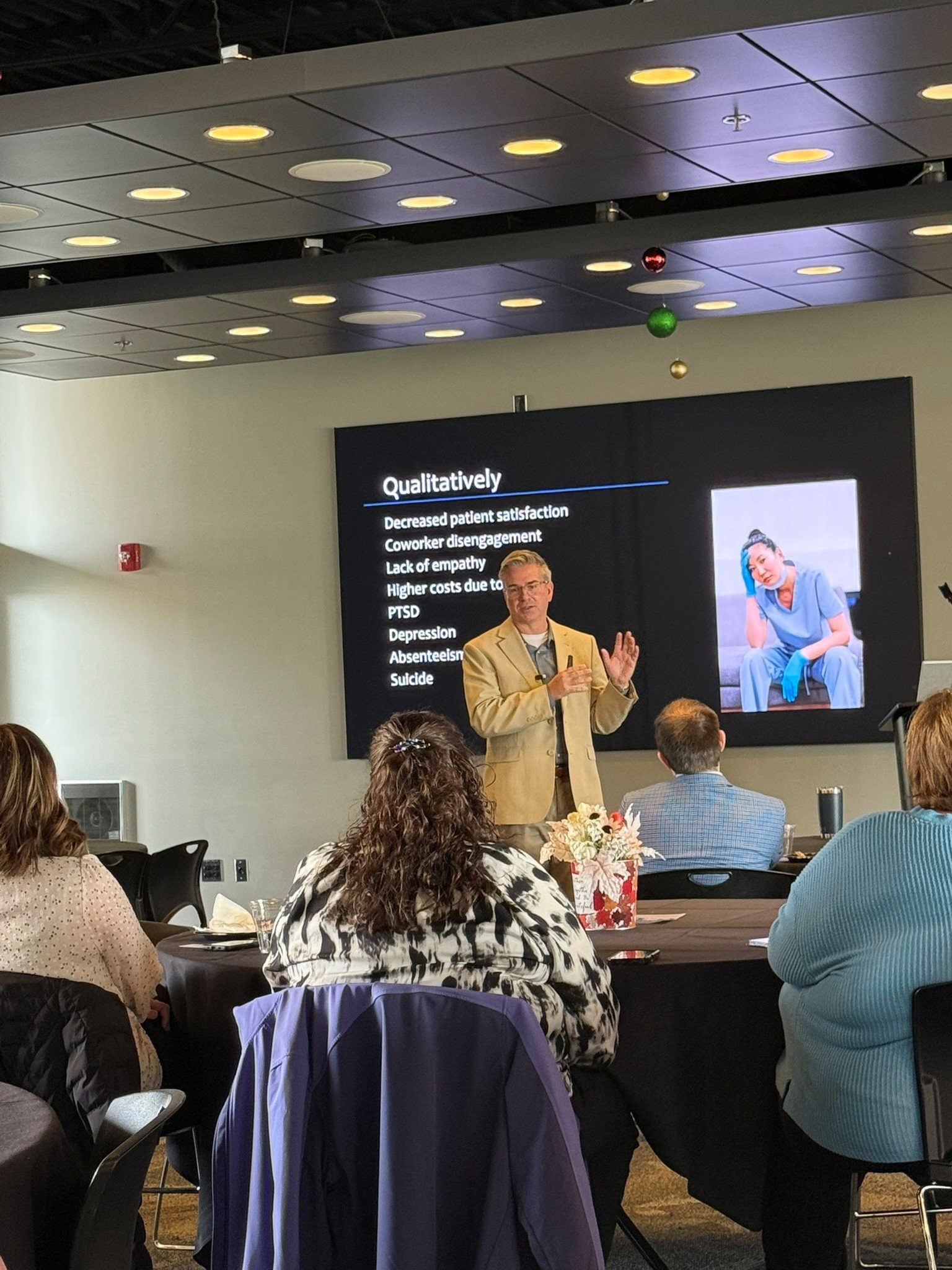
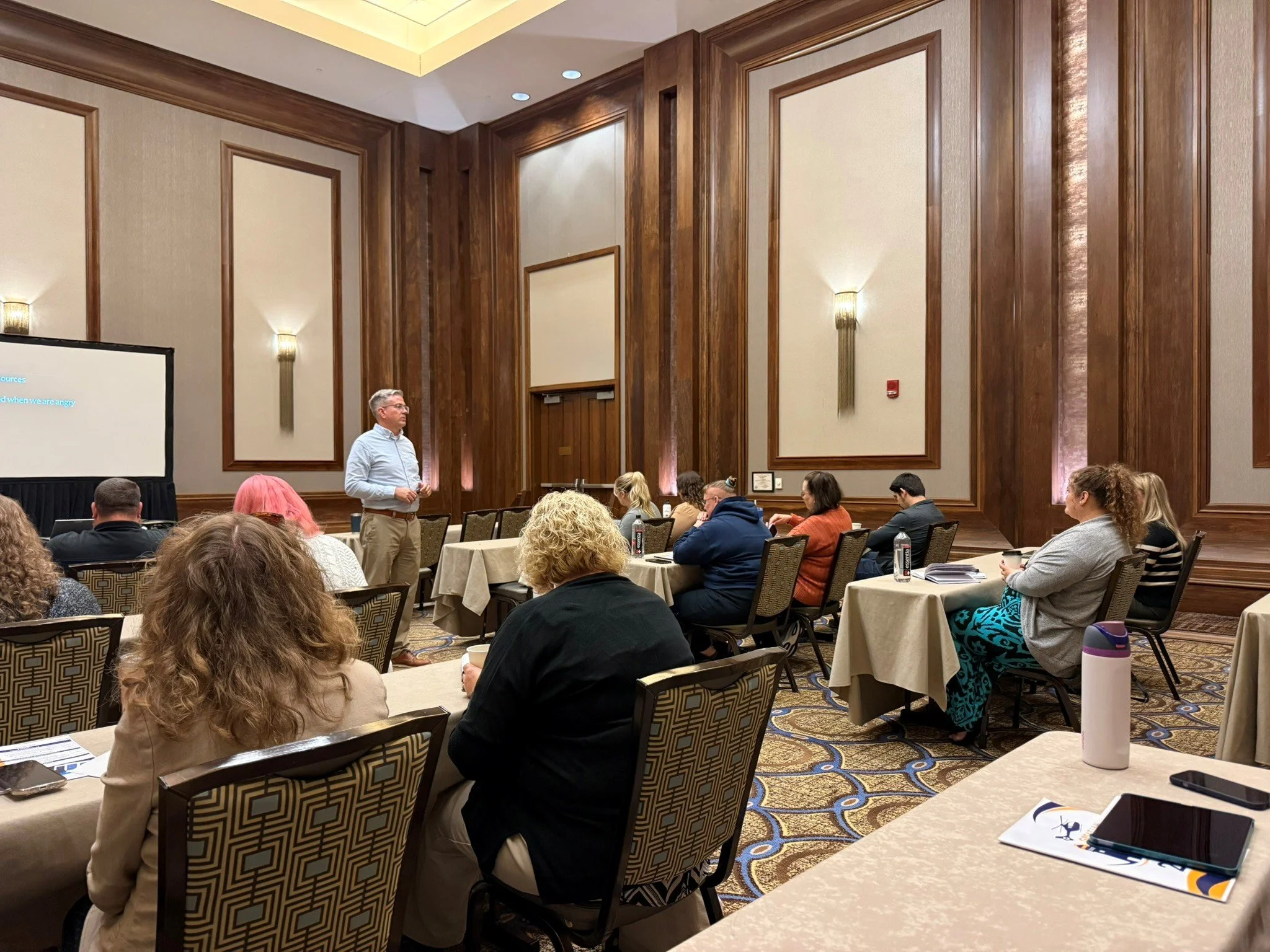
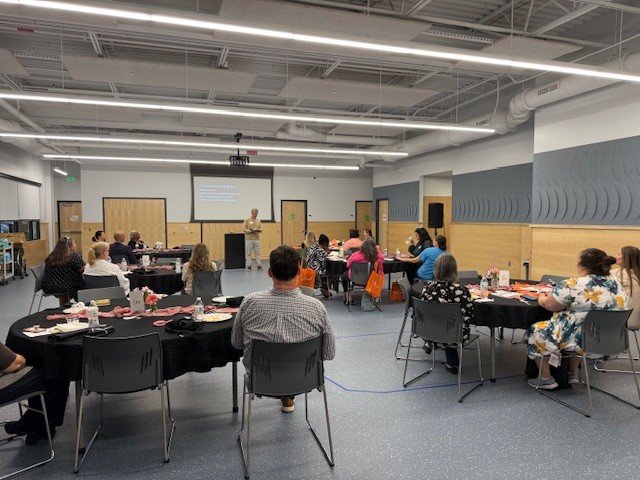
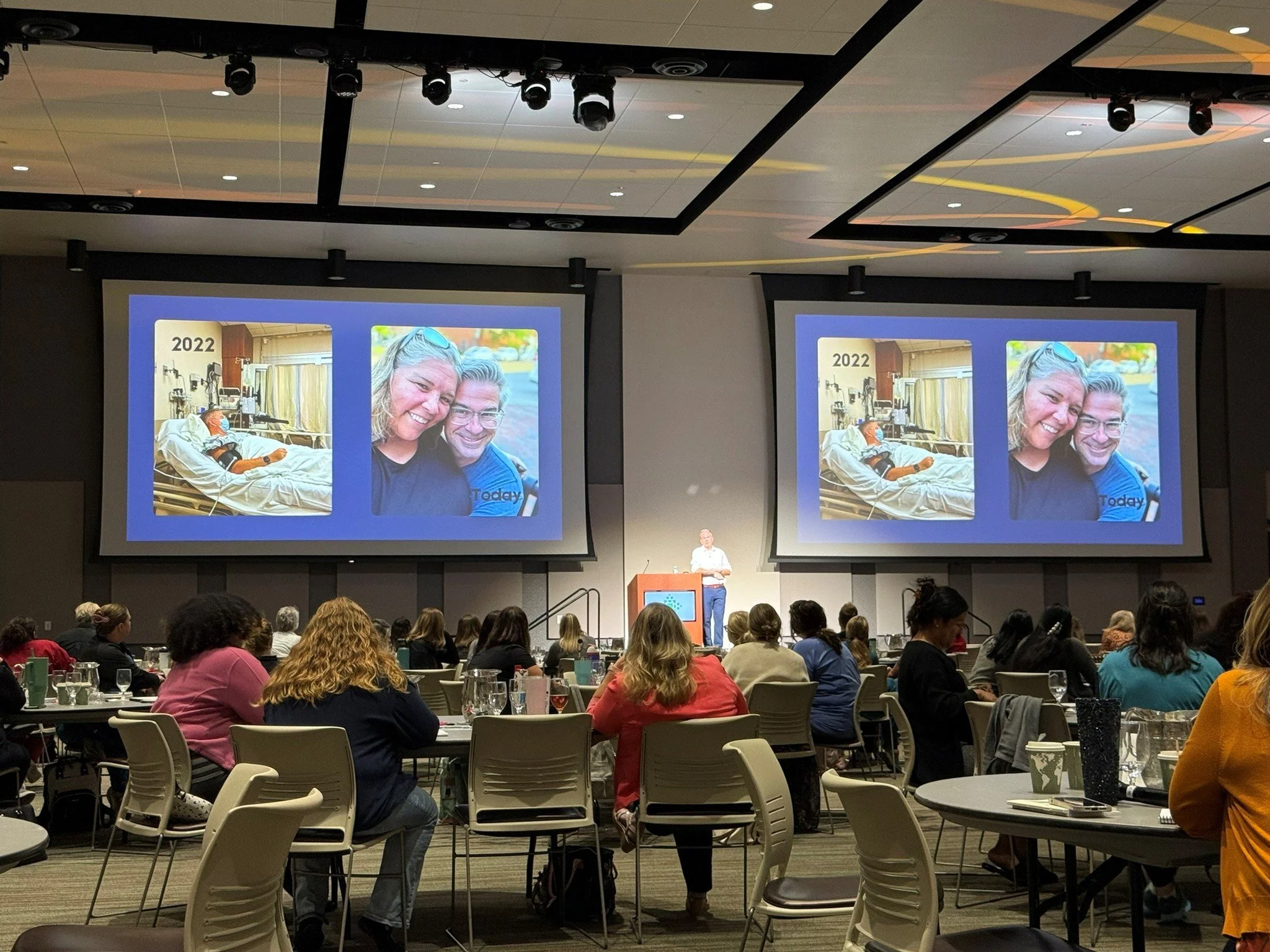
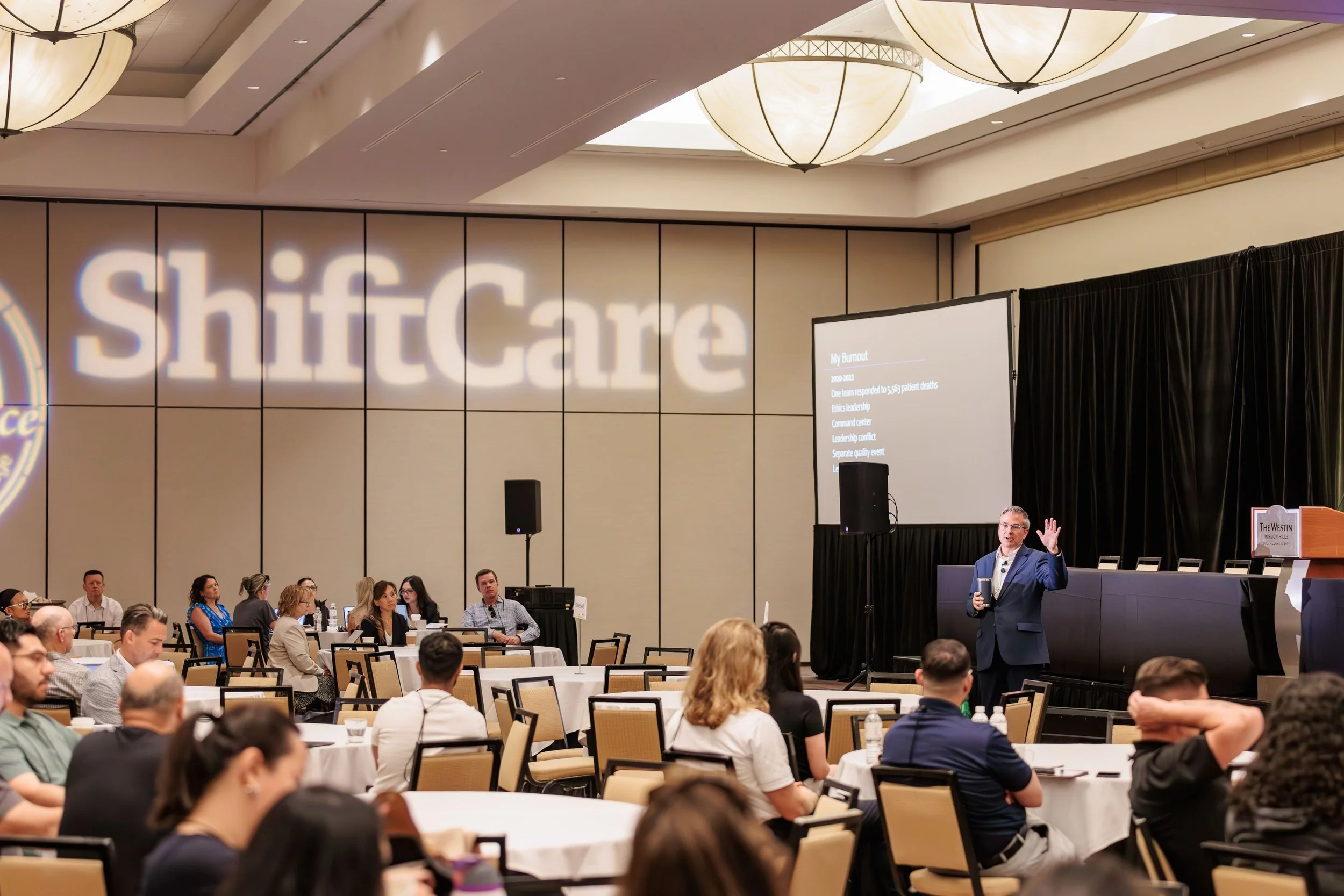
This year took me to eight states and into conference rooms, hospitals, universities, and retreat centers across the country. Every space was filled with people doing hard, important work—often under immense pressure, and often while quietly carrying more than anyone sees.
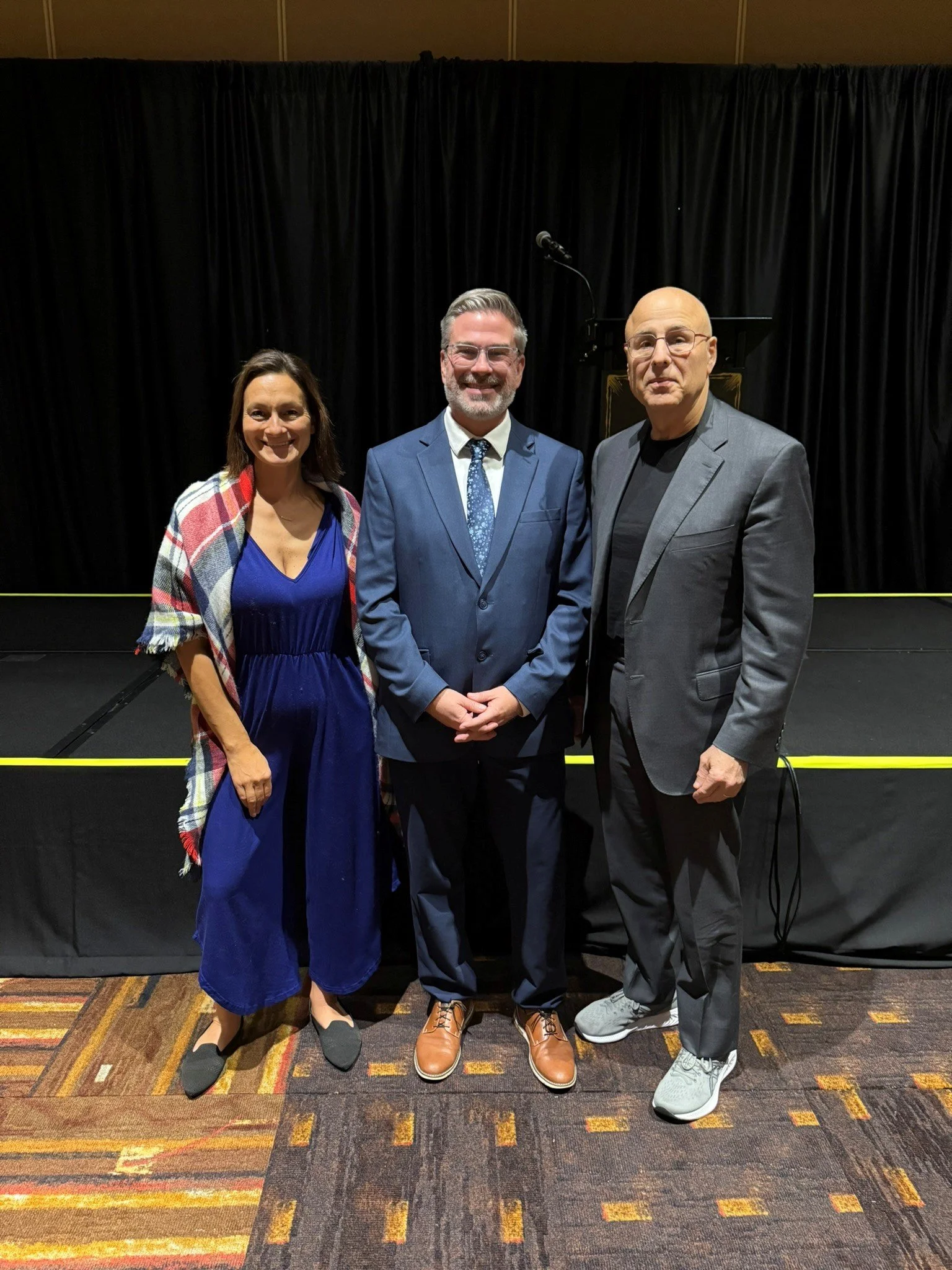
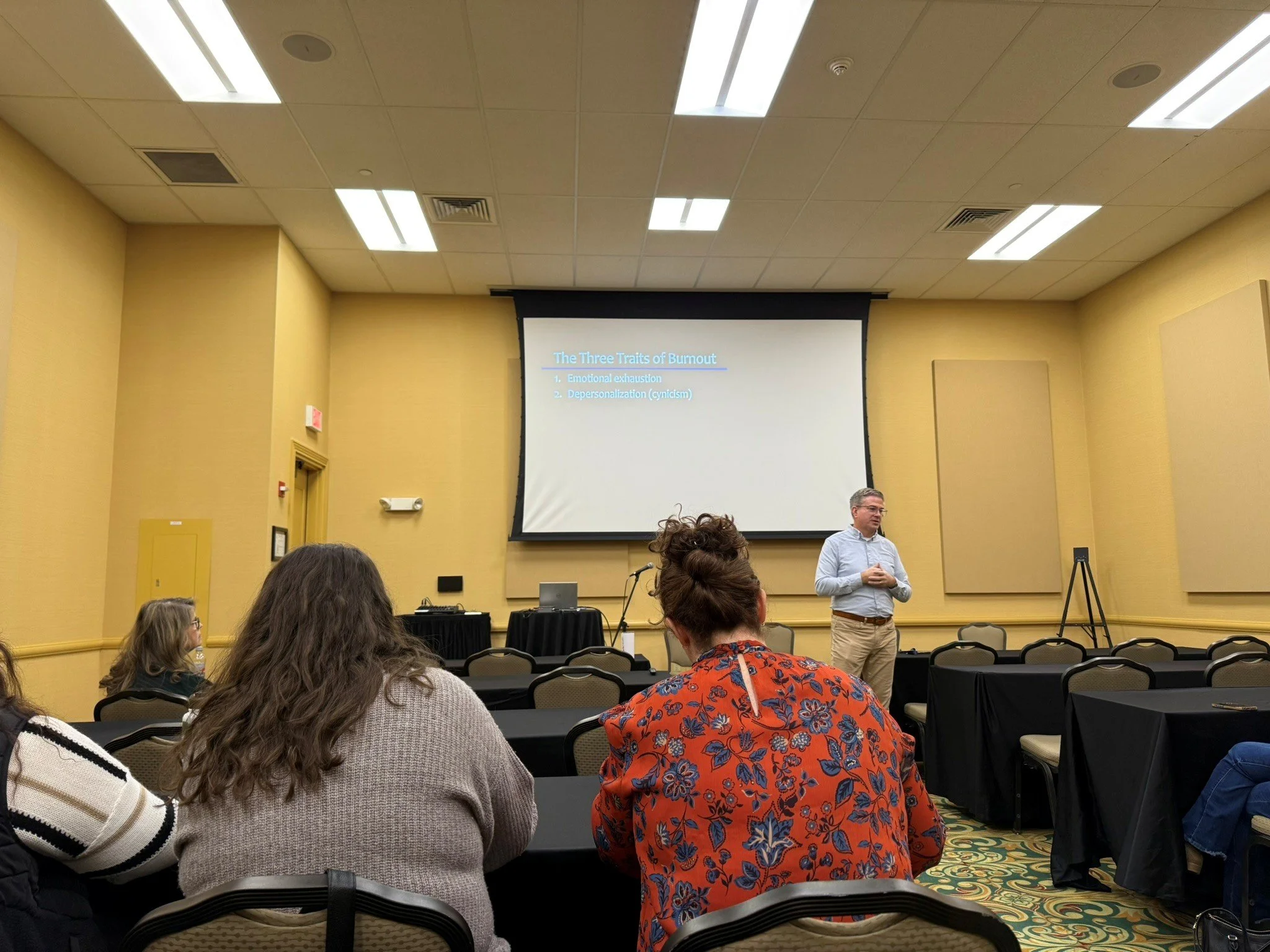
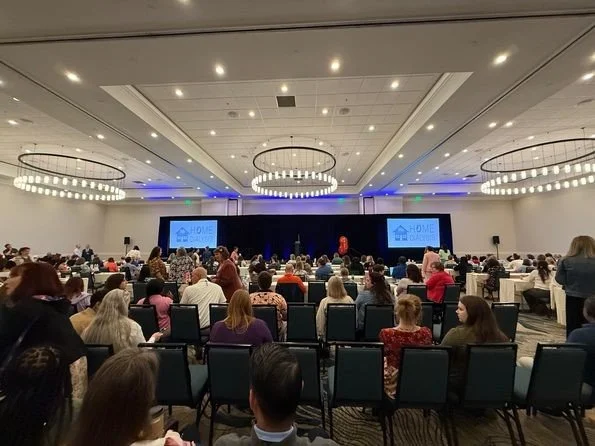
Below are a few snapshots from the road and the rooms where we gathered.
Where the Work Took Me This Year
January
First Friday Indiana
Fairlawn Retirement – Ohio
February
University of Memphis
Loewenberg School of Nursing – Tennessee
Carle Health – Illinois
March
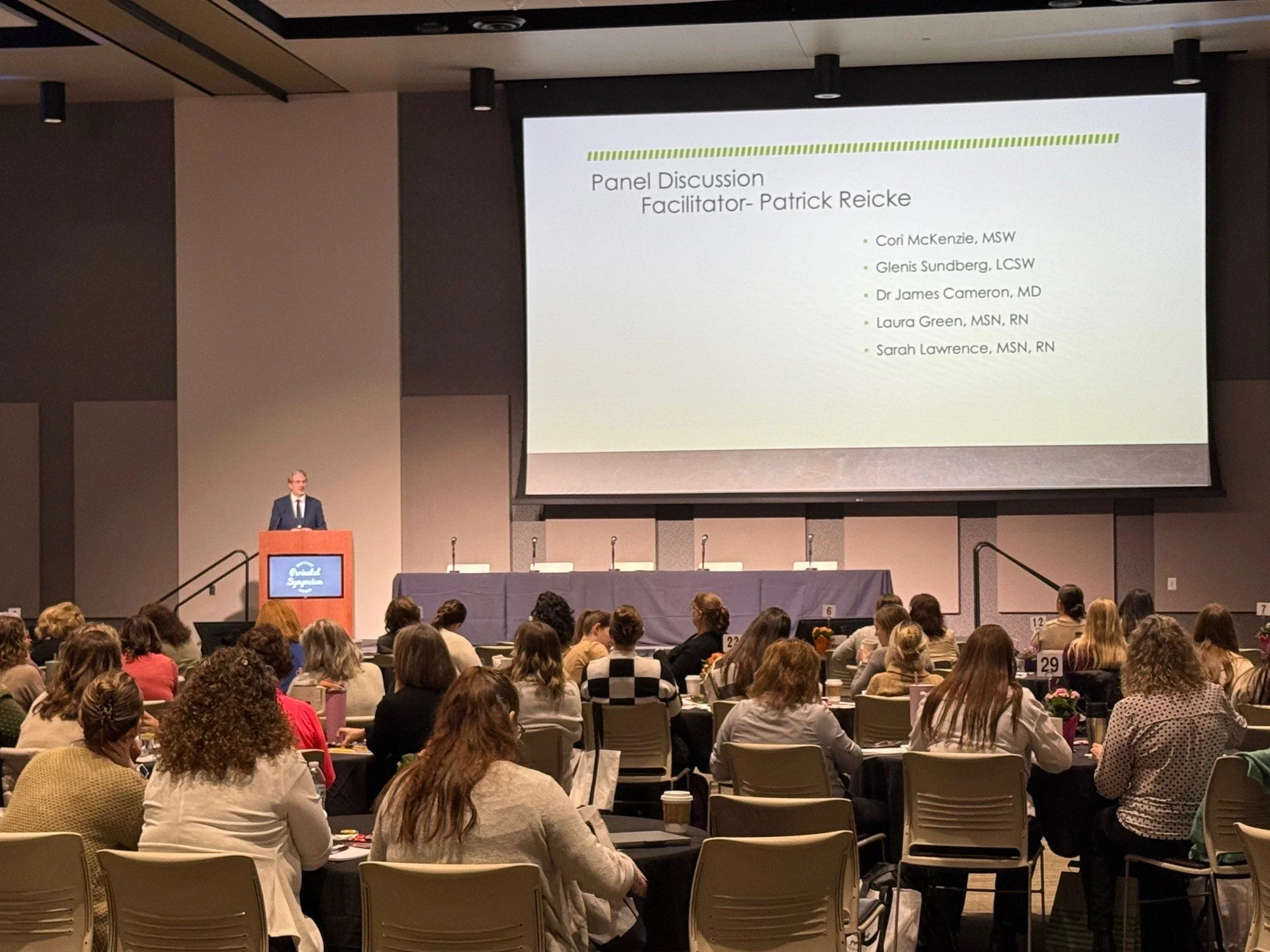
Perinatal Symposium – Indiana
April
Book Release Events
Oncology Nursing Society – Colorado
May
Dialysis Clinic, Inc. – Florida
Nurses Week Events – Indiana
CASAH – California
June & July
Adams Health Leadership Series
Completion of The Burnout Hub
August
Great Lakes Trauma Conference
September
Grow Allen
Burnout Conference – Indiana
October
Inaugural Monthly Coaching Call
Hosted Laura with Dignity Care Network – United Kingdom
November & December
Indiana Emergency Medical Society
Emergency Nurses Association
POHMS – Pennsylvania
Indiana Workers Compensation Institute
What Stood Out
What stood out most wasn’t the travel or the stages—although both were genuinely meaningful.
It was the honesty.
And, at times, the desperation.
People were willing to name what’s hard.
Leaders were open about what they don’t have figured out.
Teams were hungry for something more practical than recycled “self-care” slogans.
Across keynotes, workshops, retreats, and small-group conversations, the themes were remarkably consistent:
People want to do meaningful work
They want to stay well enough to keep doing it
And they want solutions that go beyond surface-level advice
Those conversations—real, unscripted, and sometimes uncomfortable—are what keep me doing this work.
Looking Ahead to 2026
Many organizations are already planning for 2026. Others are just beginning those conversations.
If your organization is thinking about:
Burnout prevention
Leadership wellbeing
Healthcare workforce sustainability
Or creating space for more honest, practical conversations
…I’d love to be part of that discussion.
And if you know someone who books keynote speakers, workshops, or retreats, feel free to pass this along.
Thank you to every leader, clinician, educator, and team who trusted me with their stories this year. The work continues—and the conversation matters.




Christmas in Healthcare: Remembering Those Who Work While the World Celebrates
As Christmas approaches each year, I find myself thinking about what the holidays were really like when I worked in healthcare.
For many people, Christmas Eve is quiet—family gathered, lights glowing, the day winding down. But for those of us who have worked in hospitals or healthcare systems, the holidays often look very different.
I remember lying awake late on Christmas Eve, my family asleep down the hall, replying to text messages from our chaplain who was working overnight at the hospital. Even in those quiet hours, the hospital never truly slept. Patients still needed care. Families still needed comfort. And healthcare workers kept showing up—steady, present, and compassionate—through the night.
The Reality of Working Holidays in Healthcare
Healthcare doesn’t pause for holidays. Illness doesn’t wait. Crisis doesn’t check the calendar.
For many nurses, physicians, chaplains, social workers, technicians, and leaders, Christmas means:
Being on call
Covering overnight or extended shifts
Responding to urgent texts and pages
Holding emotional space for patients and families during deeply vulnerable moments
While much of the world is resting, healthcare workers are often carrying both professional responsibility and personal sacrifice at the same time. That weight—especially when repeated year after year—can quietly contribute to burnout.
A Word of Gratitude
If you’re working this Christmas—on the floor, on call, covering a shift, answering messages, or quietly holding space for others—I want to say this clearly:
Thank you.
Your presence matters.
Your sacrifice matters.
And it is deeply understood by those of us who have lived that responsibility.
This work takes more than skill. It takes emotional endurance, moral courage, and an ability to show up even when your own reserves are low. That’s not something to minimize or romanticize—it’s something to acknowledge honestly.
Why Conversations About Burnout Matter—Especially Now
The holidays can intensify burnout in healthcare. Long shifts, staffing shortages, emotional labor, and time away from loved ones all compound during this season.
That’s why conversations about burnout prevention and recovery are so important—especially among people who care deeply about their work.
I’m grateful for everyone who has been part of that conversation this year:
Naming what’s hard
Acknowledging moral distress
Recognizing limits without guilt
And exploring what sustainable care—for ourselves and others—can actually look like
Burnout thrives in silence. Awareness, honesty, and shared language are part of how we interrupt it.
Honoring All Ways of Marking This Season
I also want to acknowledge that not everyone celebrates Christmas—and that many people experience this season differently. For some, it’s joyful. For others, it’s complicated, heavy, or quietly endured.
Wherever you find yourself this time of year, my hope is that you’re able to find moments of rest, grounding, and connection—however that looks for you.
Looking Ahead
As this year comes to a close, I’m reminded that caring professions need more than gratitude—they need systems, cultures, and leadership that make sustainability possible.
Thank you for being part of the ongoing effort to do this work more honestly and more humanely.
Merry Christmas to those who celebrate, and wishing all of you a steady, meaningful start to the New Year.
Panic attacks and mantras
Panic attacks and mantras.
Anyone who has transitioned out of traditional W2 work understands the anxiety that I've felt for the last two years.
As a healthcare leader, my paycheck arrived every two weeks--at a predictable time and with a predictable amount.
Now that I speak, write, and coach fulltime, nothing is predictable about the pay.
Like many people, especially men my age, I tend to tie my worth to my income.
That has been problematic for me in this season. You see, my income varies widely from month to month.
Have I experienced months when I didn't earn anything at all?
Yes.
Have I had months when I earned 3-4x what I earned as a healthcare leader?
Also, yes.
The wild swings are like a financial roller coaster.
Not long ago, my brain started catastrophizing our finances. It was a low month, which followed another low month.
My inner dialogue became progressively more dark.
"You're never going to make it."
"You're ruining your family's financial situation."
"You don't have what it takes to run a business."
One Friday morning, my brain was abusing my heart.
I felt a familiar panic start to rise.
When I am feeling fearful about money, everything is triggering.
The darkness closed in.
I had to leave the house.
Some fresh air and a coffeeshop helped abate the overwhelm, but only temporarily.
Back at home, I dove into our finances, calculating just "how bad" things could become. The picture wasn't rosy.
On Sunday, I decided to journal and deep dive again. Not into our finances. But into my own brain and emotions around money.
What was my brain telling me on Friday?
It was saying--"You are going to financially bankrupt your family."
So, I decided to test the veracity of that claim.
I did some math on what it would take for us to actually go bankrupt.
I assumed worst case scenarios for the coming years, since that's what my brain wants to adhere to when I am the darkness.
When I was done, the math told me that we'd have to experience at least four years of "worst-case-scenario" finances to even approach bankruptcy.
Huh.
It was time to take my own medicine.
I encourage burned out people to develop mantras about their stress.
The ones that have worked for me in the past were:
"Things can change at any time." and
"It's not my job to save the world."
But in this new season, I need new mantras.
So, here they are.
1. I am living my dream
For years, I dreamt about speaking and writing full time. Now, that's exactly what I am doing.
2. I can help.
Burnout is an epidemic that is hurting so many people and organizations. I can help with that.
3. Bankruptcy is at least four years away.
This mantra, which is a little tongue-in-cheek, acknowledges the ups and downs. But it reminds me that I can't ruin my family's life TODAY.
What mantras are carrying you through your dark times?