
Blog
Leadership, Burnout,
and the Realities of Work
Practical posts drawn from healthcare leadership,
coaching, and real-world experience.
2025 Round-Up
As the year comes to a close, I’ve been reflecting on just how many miles, conversations, and meaningful moments this work has included.
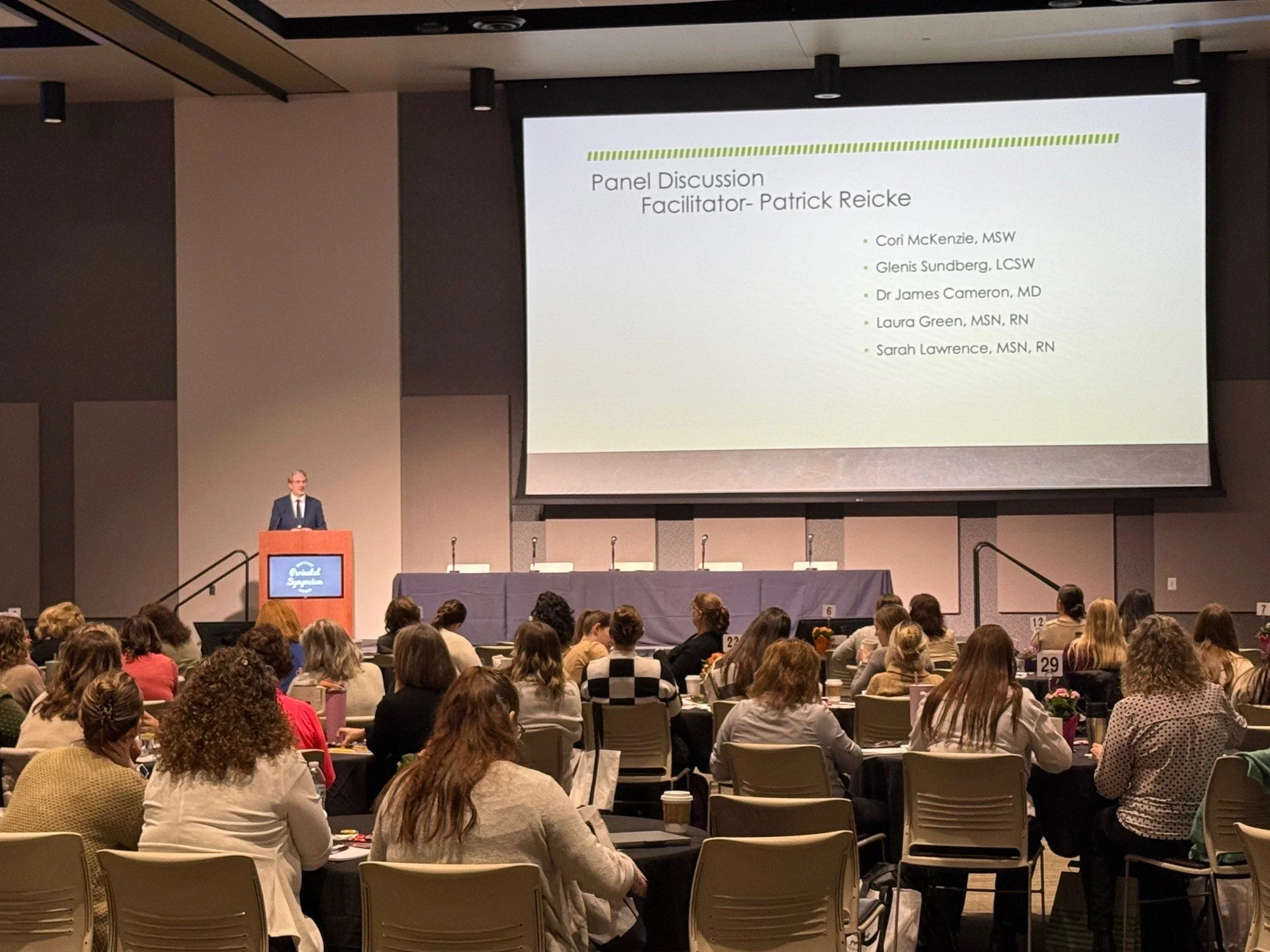
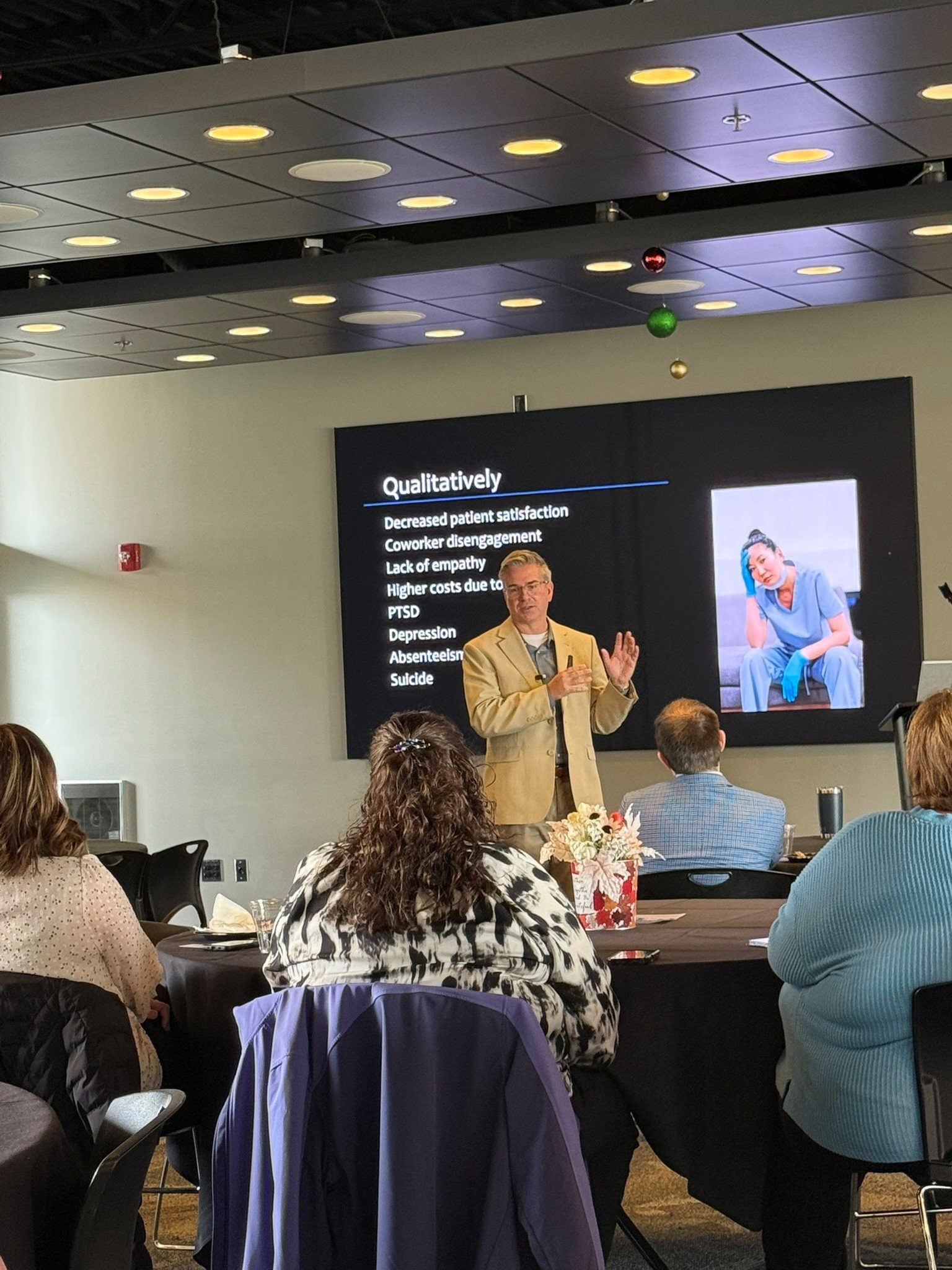
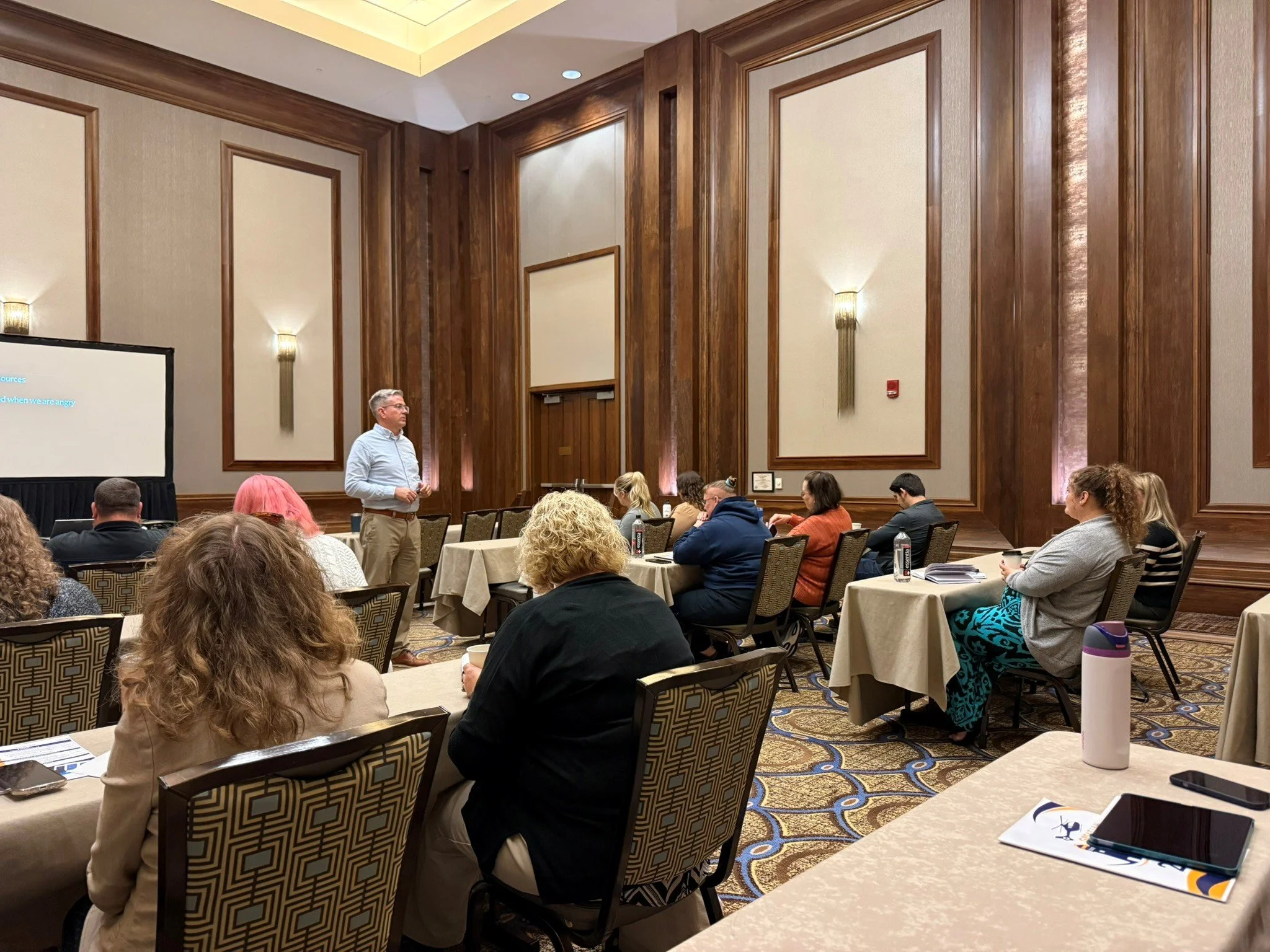
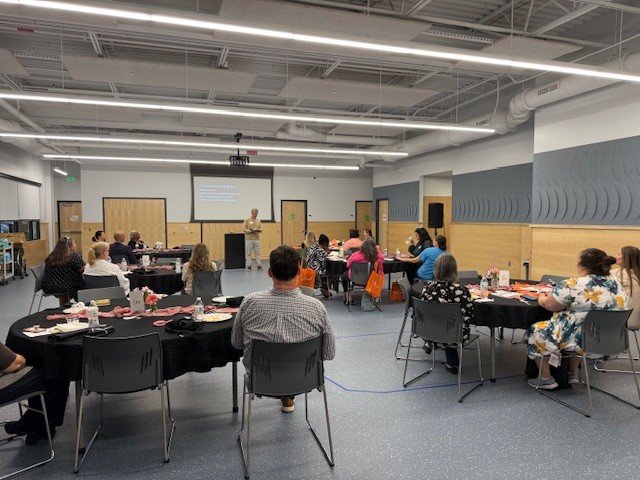
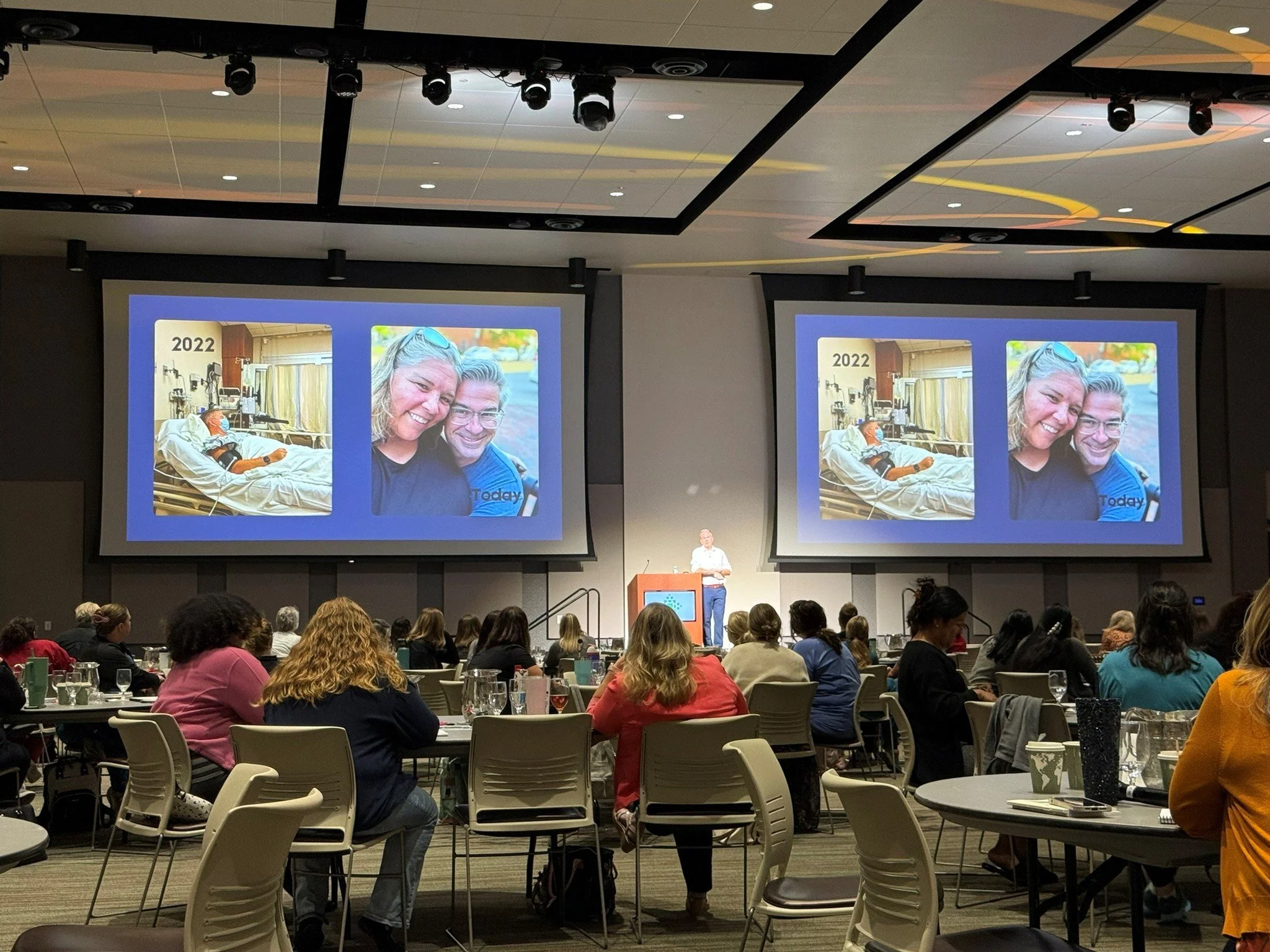
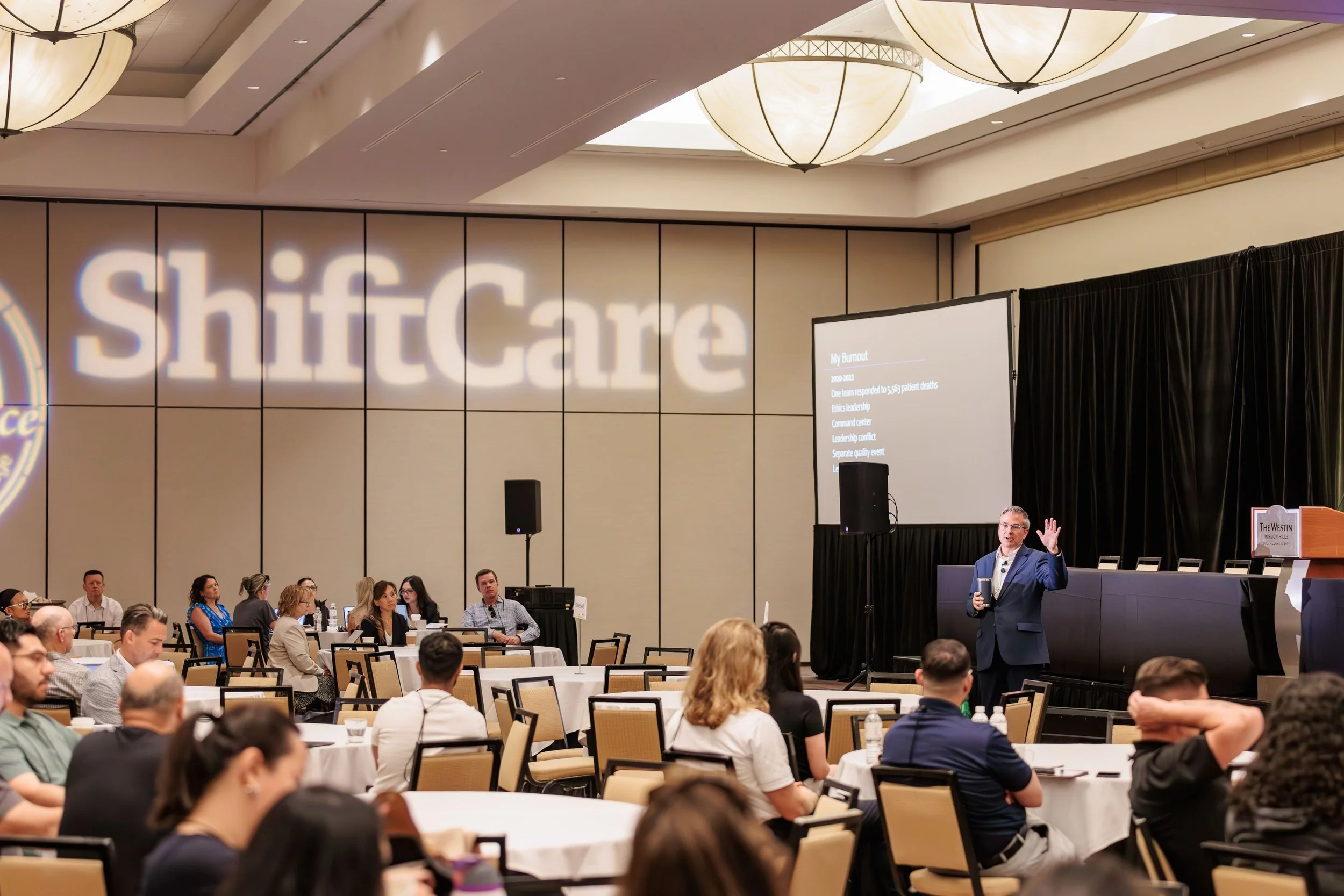
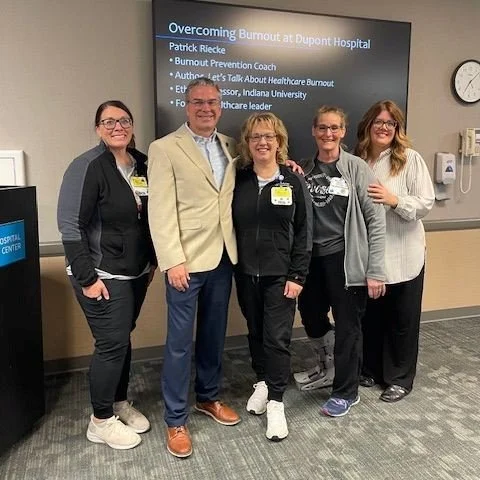
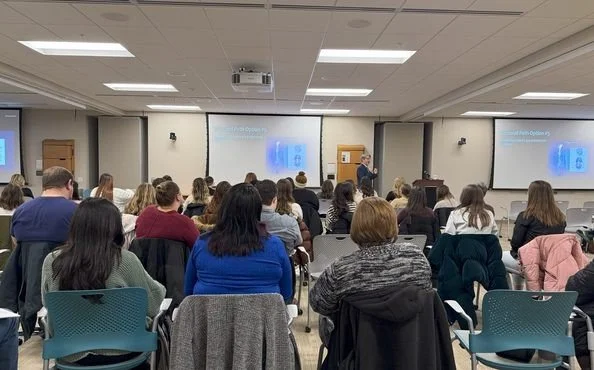
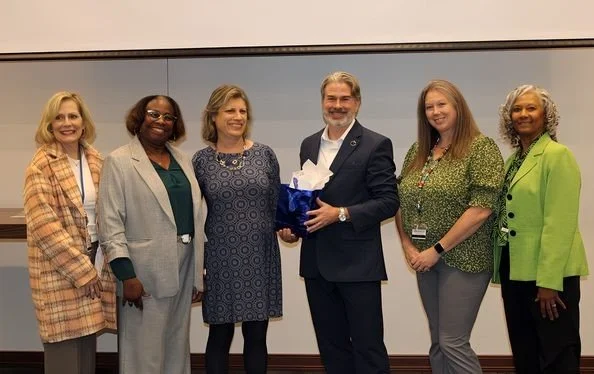
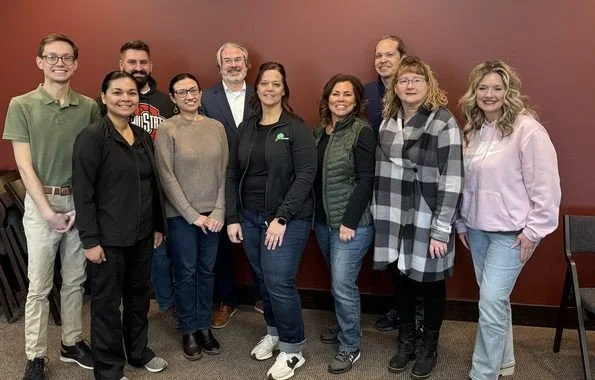
This year took me to eight states and into conference rooms, hospitals, universities, and retreat centers across the country. Every space was filled with people doing hard, important work—often under immense pressure, and often while quietly carrying more than anyone sees.
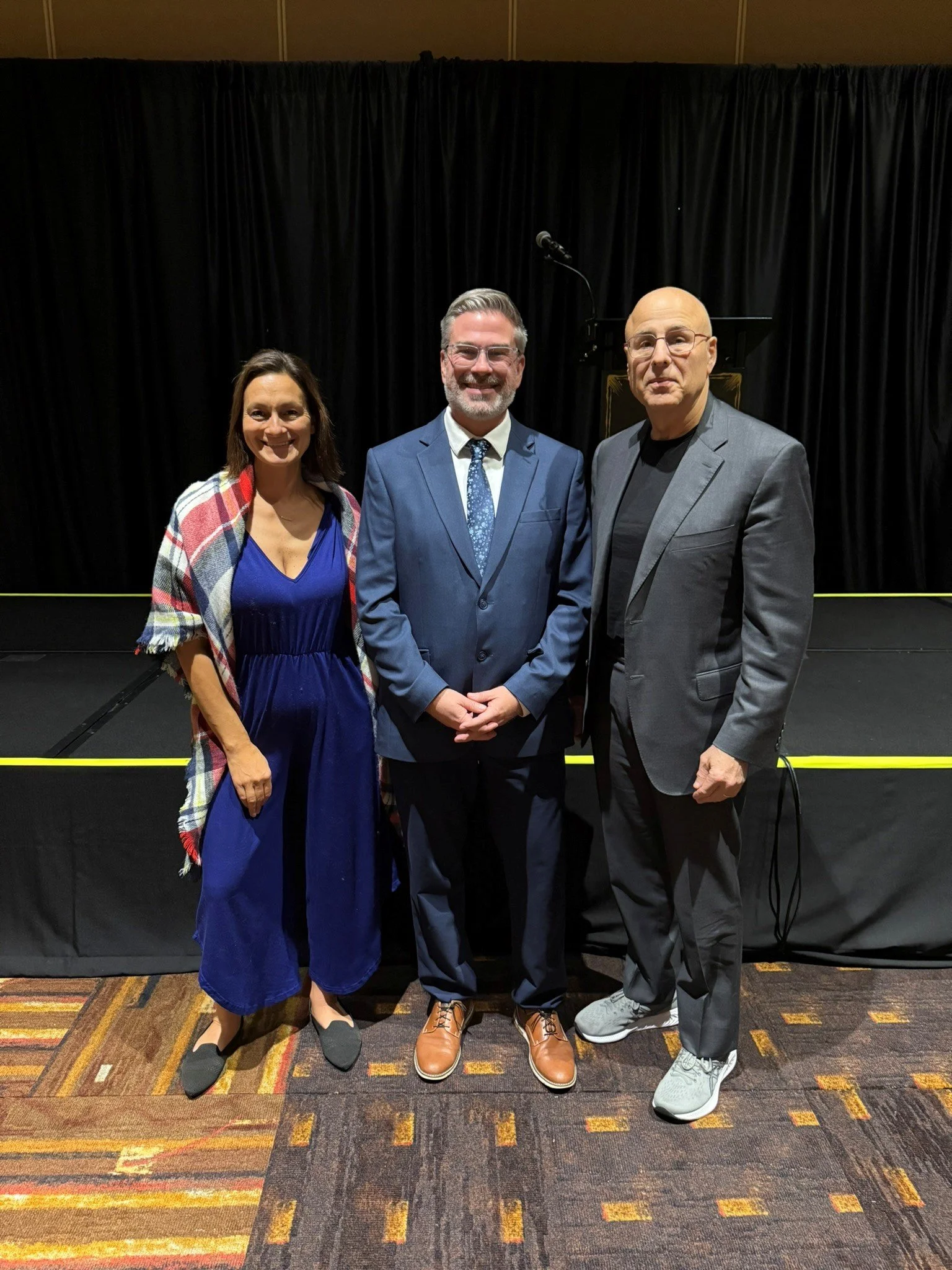
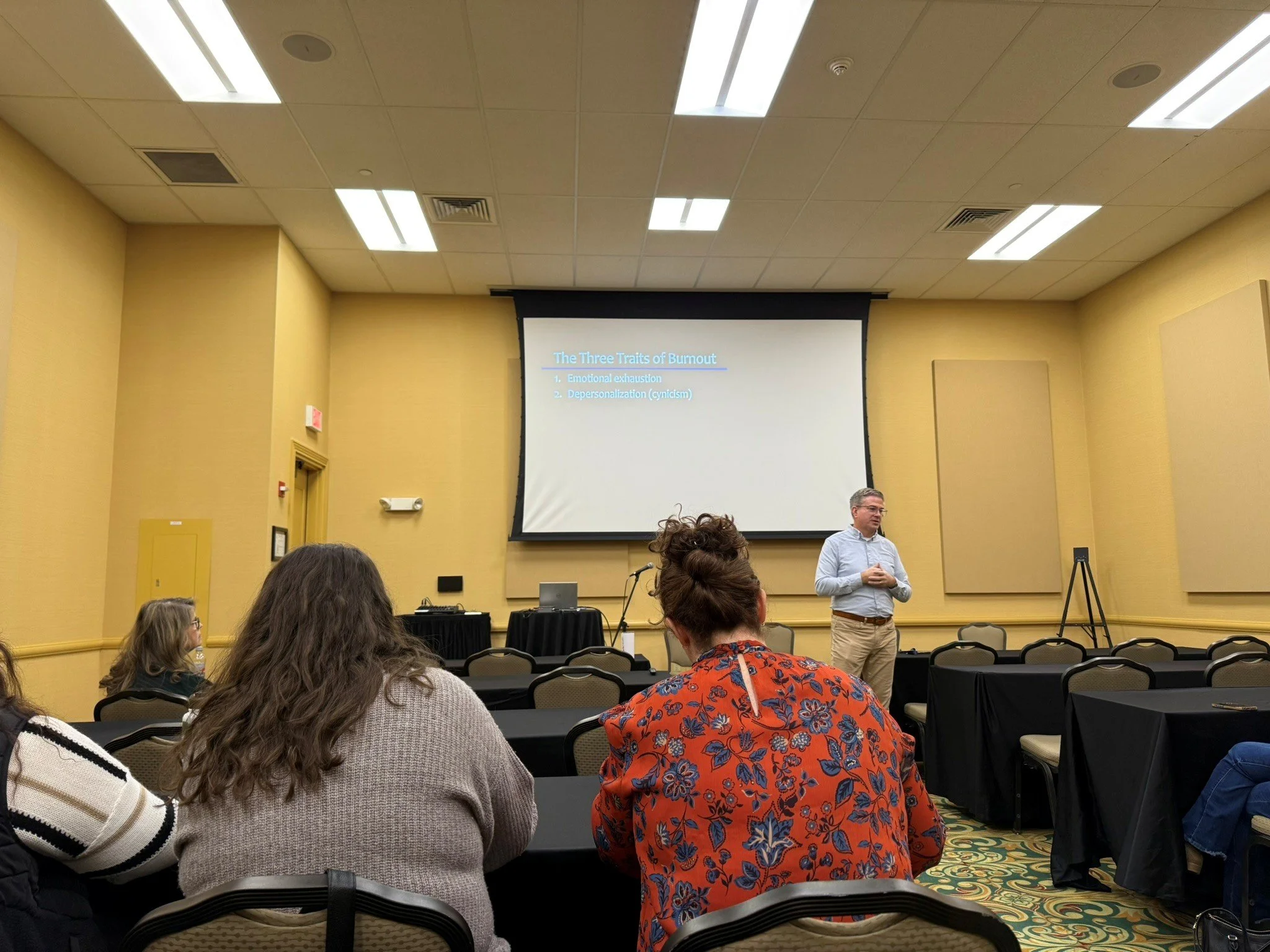
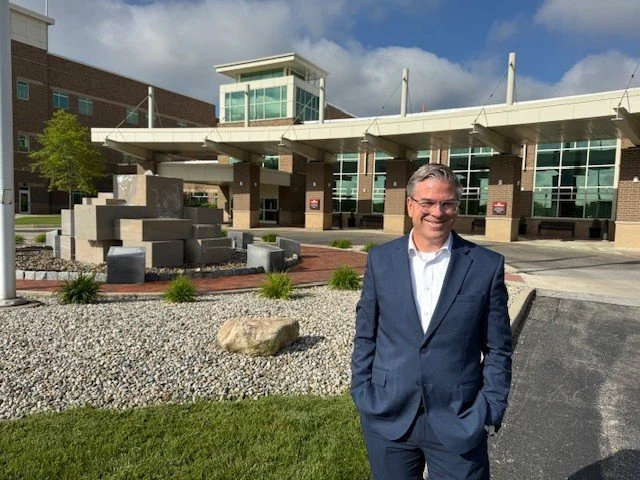
Below are a few snapshots from the road and the rooms where we gathered.
Where the Work Took Me This Year
January
First Friday Indiana
Fairlawn Retirement – Ohio
February
University of Memphis
Loewenberg School of Nursing – Tennessee
Carle Health – Illinois
March
Perinatal Symposium – Indiana
April
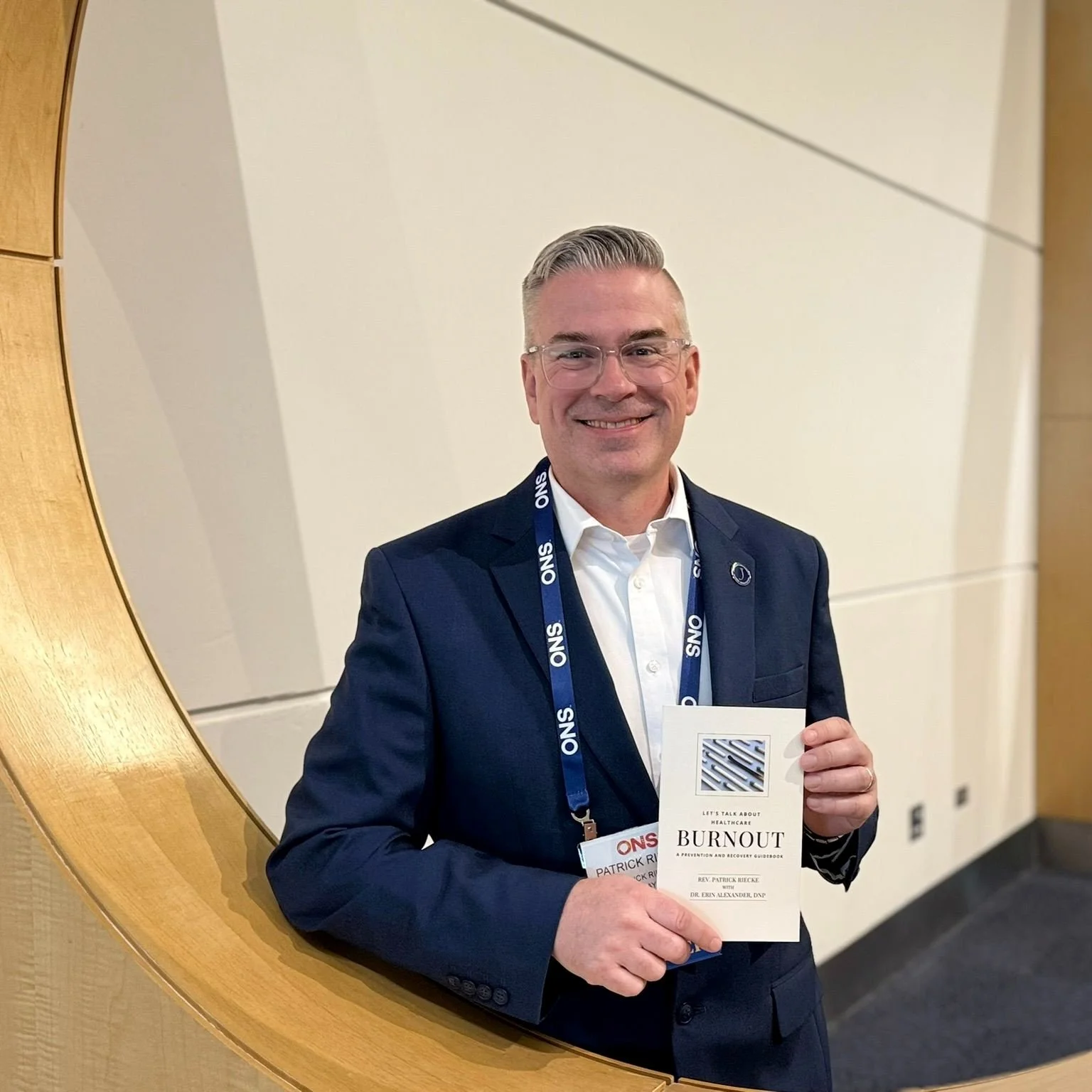
Book Release Events
Oncology Nursing Society – Colorado
May
Dialysis Clinic, Inc. – Florida
Nurses Week Events – Indiana
CASAH – California
June & July
Adams Health Leadership Series
Completion of The Burnout Hub
August
Great Lakes Trauma Conference
September
Grow Allen
Burnout Conference – Indiana
October
Inaugural Monthly Coaching Call
Hosted Laura with Dignity Care Network – United Kingdom
November & December
Indiana Emergency Medical Society
Emergency Nurses Association
POHMS – Pennsylvania
Indiana Workers Compensation Institute
What Stood Out
What stood out most wasn’t the travel or the stages—although both were genuinely meaningful.
It was the honesty.
And, at times, the desperation.
People were willing to name what’s hard.
Leaders were open about what they don’t have figured out.
Teams were hungry for something more practical than recycled “self-care” slogans.
Across keynotes, workshops, retreats, and small-group conversations, the themes were remarkably consistent:
People want to do meaningful work
They want to stay well enough to keep doing it
And they want solutions that go beyond surface-level advice
Those conversations—real, unscripted, and sometimes uncomfortable—are what keep me doing this work.
Looking Ahead to 2026
Many organizations are already planning for 2026. Others are just beginning those conversations.
If your organization is thinking about:
Burnout prevention
Leadership wellbeing
Healthcare workforce sustainability
Or creating space for more honest, practical conversations
…I’d love to be part of that discussion.
And if you know someone who books keynote speakers, workshops, or retreats, feel free to pass this along.
Thank you to every leader, clinician, educator, and team who trusted me with their stories this year. The work continues—and the conversation matters.

Christmas in Healthcare: Remembering Those Who Work While the World Celebrates
As Christmas approaches each year, I find myself thinking about what the holidays were really like when I worked in healthcare.
For many people, Christmas Eve is quiet—family gathered, lights glowing, the day winding down. But for those of us who have worked in hospitals or healthcare systems, the holidays often look very different.
I remember lying awake late on Christmas Eve, my family asleep down the hall, replying to text messages from our chaplain who was working overnight at the hospital. Even in those quiet hours, the hospital never truly slept. Patients still needed care. Families still needed comfort. And healthcare workers kept showing up—steady, present, and compassionate—through the night.
The Reality of Working Holidays in Healthcare
Healthcare doesn’t pause for holidays. Illness doesn’t wait. Crisis doesn’t check the calendar.
For many nurses, physicians, chaplains, social workers, technicians, and leaders, Christmas means:
Being on call
Covering overnight or extended shifts
Responding to urgent texts and pages
Holding emotional space for patients and families during deeply vulnerable moments
While much of the world is resting, healthcare workers are often carrying both professional responsibility and personal sacrifice at the same time. That weight—especially when repeated year after year—can quietly contribute to burnout.
A Word of Gratitude
If you’re working this Christmas—on the floor, on call, covering a shift, answering messages, or quietly holding space for others—I want to say this clearly:
Thank you.
Your presence matters.
Your sacrifice matters.
And it is deeply understood by those of us who have lived that responsibility.
This work takes more than skill. It takes emotional endurance, moral courage, and an ability to show up even when your own reserves are low. That’s not something to minimize or romanticize—it’s something to acknowledge honestly.
Why Conversations About Burnout Matter—Especially Now
The holidays can intensify burnout in healthcare. Long shifts, staffing shortages, emotional labor, and time away from loved ones all compound during this season.
That’s why conversations about burnout prevention and recovery are so important—especially among people who care deeply about their work.
I’m grateful for everyone who has been part of that conversation this year:
Naming what’s hard
Acknowledging moral distress
Recognizing limits without guilt
And exploring what sustainable care—for ourselves and others—can actually look like
Burnout thrives in silence. Awareness, honesty, and shared language are part of how we interrupt it.
Honoring All Ways of Marking This Season
I also want to acknowledge that not everyone celebrates Christmas—and that many people experience this season differently. For some, it’s joyful. For others, it’s complicated, heavy, or quietly endured.
Wherever you find yourself this time of year, my hope is that you’re able to find moments of rest, grounding, and connection—however that looks for you.
Looking Ahead
As this year comes to a close, I’m reminded that caring professions need more than gratitude—they need systems, cultures, and leadership that make sustainability possible.
Thank you for being part of the ongoing effort to do this work more honestly and more humanely.
Merry Christmas to those who celebrate, and wishing all of you a steady, meaningful start to the New Year.
Panic attacks and mantras
Panic attacks and mantras.
Anyone who has transitioned out of traditional W2 work understands the anxiety that I've felt for the last two years.
As a healthcare leader, my paycheck arrived every two weeks--at a predictable time and with a predictable amount.
Now that I speak, write, and coach fulltime, nothing is predictable about the pay.
Like many people, especially men my age, I tend to tie my worth to my income.
That has been problematic for me in this season. You see, my income varies widely from month to month.
Have I experienced months when I didn't earn anything at all?
Yes.
Have I had months when I earned 3-4x what I earned as a healthcare leader?
Also, yes.
The wild swings are like a financial roller coaster.
Not long ago, my brain started catastrophizing our finances. It was a low month, which followed another low month.
My inner dialogue became progressively more dark.
"You're never going to make it."
"You're ruining your family's financial situation."
"You don't have what it takes to run a business."
One Friday morning, my brain was abusing my heart.
I felt a familiar panic start to rise.
When I am feeling fearful about money, everything is triggering.
The darkness closed in.
I had to leave the house.
Some fresh air and a coffeeshop helped abate the overwhelm, but only temporarily.
Back at home, I dove into our finances, calculating just "how bad" things could become. The picture wasn't rosy.
On Sunday, I decided to journal and deep dive again. Not into our finances. But into my own brain and emotions around money.
What was my brain telling me on Friday?
It was saying--"You are going to financially bankrupt your family."
So, I decided to test the veracity of that claim.
I did some math on what it would take for us to actually go bankrupt.
I assumed worst case scenarios for the coming years, since that's what my brain wants to adhere to when I am the darkness.
When I was done, the math told me that we'd have to experience at least four years of "worst-case-scenario" finances to even approach bankruptcy.
Huh.
It was time to take my own medicine.
I encourage burned out people to develop mantras about their stress.
The ones that have worked for me in the past were:
"Things can change at any time." and
"It's not my job to save the world."
But in this new season, I need new mantras.
So, here they are.
1. I am living my dream
For years, I dreamt about speaking and writing full time. Now, that's exactly what I am doing.
2. I can help.
Burnout is an epidemic that is hurting so many people and organizations. I can help with that.
3. Bankruptcy is at least four years away.
This mantra, which is a little tongue-in-cheek, acknowledges the ups and downs. But it reminds me that I can't ruin my family's life TODAY.
What mantras are carrying you through your dark times?
When ACA Health Insurance Premiums Rise, Moral Distress Rises Too
Yesterday, we paid our January premium for our ACA health insurance plan.
It was more than four times our December premium.
At the same time, we now have one fewer eligible family member on the plan—and higher out-of-pocket costs.
Less insurance.
At four times the price.
After more than a decade on my employer’s health plan, my wife and I knew that the transition from W-2 employment to running our own business would come with a learning curve. We expected complexity. We expected paperwork.
What we didn’t expect was how quickly health insurance costs would climb to a level that made me seriously wonder:
Would we actually be better off with no insurance at all? Just going fully self-pay?
That question alone should give us pause.
Still, I don’t want to spend my time simply bemoaning my own increased costs—or even the skyrocketing health insurance premiums facing millions of Americans right now. I don’t want to pin this on one political party or another.
And I don’t even want to repeat the well-worn (and true) statement that the United States is the only high-income country where people routinely fear financial collapse when they get sick or injured.
I won’t retell the story of my teenage daughter worrying aloud about money while we were on the phone with 911 during a health crisis.
Even though all of that is real.
Why I’m Most Concerned About Healthcare Workers
The group I’m most worried about right now isn’t small business owners like me.
It’s healthcare workers.
Why?
Because healthcare professionals enter this work with a clear purpose: to provide excellent care for their patients.
But that purpose is increasingly undermined when:
A patient says, “I can’t afford that test. I’ll have to pay for it all out of pocket.”
A cancer patient has to stop working and can’t find an affordable option for immediate health coverage.
Someone delays care altogether, terrified of the ambulance bill or the emergency room charge.
In moments like these, delivering excellent care can feel nearly impossible.
This is where moral distress takes hold.
One of the most powerful antidotes to healthcare worker burnout is the belief that your work is making a difference. That your effort matters. That the system allows you to help.
Rising healthcare and insurance costs are steadily pushing that antidote out of reach.
The hearts of healthcare providers are breaking—not because they don’t care, but because they care deeply and can see what’s coming. They know that people who need coverage will lose it. They know patients will delay care. They know outcomes will suffer.
And they’re being asked to carry that weight every day.
P.S. Thanks to Dan Sherman for a recent session that helped illuminate just how significant this coming increase in moral distress may be.
The Burnout Hub Is Live — And It’s Built for People Who Are Burned Out
For the last two years, I’ve been building something I wished existed during the hardest season of my career: a place where people could learn about burnout, recover from it, prevent it, and feel supported—not judged, rushed, or overwhelmed.
Today, that project finally has a home and a name:
👉 The Burnout Hub.
The Burnout Hub is an online learning platform designed to help individuals and organizations prevent and recover from occupational burnout. It combines accredited continuing education (CE), practical training, real-world support, and bite-sized content leaders can use right away.
Whether you're a frontline nurse, a healthcare executive, an educator, a social worker, or someone quietly struggling behind the scenes, The Burnout Hub exists for one simple reason:
Burnout should not be the standard operating condition of modern work.
Why I Built The Burnout Hub
Burnout isn’t a personal failure—it’s an occupational hazard.
Over time, I heard the same themes in coaching conversations, keynote events, and leadership consultations:
“I’m exhausted, but I can’t slow down.”
“I care deeply, but I’m running on fumes.”
“I want to make a difference, but I’m drowning.”
“I don’t want to quit… but I can’t keep going like this.”
Burnout affects individual well-being, yes—but it also impacts:
Patient care
Team culture
Retention and turnover
Leadership stability
Morale
Safety
Innovation
And the ability to do work that matters
And yet, resources were scattered, overly academic, too expensive, too shallow… or simply not actionable.
So I built something different.
What’s Inside The Burnout Hub
The platform includes five key learning paths—each one designed to meet people where they are:
✔️ The Personal Recovery Kickstart
For individuals beginning the recovery process and needing a structure to follow.
✔️ Fix for Work Fixation
Tools to interrupt the constant mental loop of work stress and intrusive job-related thoughts.
✔️ Exit Ramp
For those quietly considering a job change and wanting to plan wisely—not impulsively.
✔️ Leadership Essentials
52 Short weekly leadership lessons on burnout prevention and psychological safety.
✔️ The Download Hub
Over 25 practical, evidence-based worksheets, tools, scripts, and resources—ready to use immediately.
Every course is CE-approved. That means learners can work toward professional renewal while working toward personal renewal.
Who The Burnout Hub Is For
The platform is built to serve:
Individuals who want tools to recover or prevent burnout
Hospitals and health systems offering education and professional development
Leaders looking to create a healthier team culture
Organizations facing retention issues, compassion fatigue, and turnover
Professionals with continuing education requirements
Burnout isn’t industry-exclusive—it’s everywhere. But certain professions feel the weight more intensely.
Healthcare workers. Educators. Social workers. Mental health providers. Nonprofit leaders. Executives.
People who care for others often struggle to care for themselves.
How to Explore the Platform
You can now visit the site, preview the courses, explore CE information, and get access in whichever way makes the most sense for you or your team.
👉 Visit: MyBurnoutHub.com
A Personal Note
Building this platform wasn’t just a technical project—it was personal.
Burnout almost cost me my health, my confidence, and my ability to do meaningful work.
If you’re reading this and feeling exhausted, overwhelmed, discouraged, or stuck—please hear this:
You are not alone. You are not failing. And recovery is possible.
The Burnout Hub exists because burnout is real, but so is resilience.
Welcome to the beginning of something better.
Enroll in course at The Burnout Hub today.