
Blog
Leadership, Burnout,
and the Realities of Work
Practical posts drawn from healthcare leadership,
coaching, and real-world experience.
Words of Noah Wyle, star of “The Pitt”
"The Pitt is what happened when a group of us got obsessed with one question. What does the job actually look like right now?
And to answer that question honestly, we listened. We listened to emergency physicians. We listened to charge nurses. We listened to residents being asked to function on three hours sleep after working 18-hour shifts and then being asked to head right back in.
We listened to social workers, to techs, to attendings, to chaplains.
And we did not have to go very far. The reality was right there. You were all living it every day. And what I learned from this show and what is now in my bones is that medicine is hard enough but so much of the damage is coming from everything around medicine.
It is the prior auth that takes the surgery off the schedule.
It is the staffing ratio that turns a manageable shift into a moral injury.
It is the tuition bill from a decade ago that still dictates where you can live and what you can afford.
It is the fear of telling the truth that could cost you your job. And I'm not telling you anything that you don't already know.
You came to the Capitol today because you are tired of the gap between how this country talks about health care professionals and what the reality is.
Let me say plainly what we're asking Congress to do. one, pass the Healthcare Human Act, a federal tax credit of up to $6,000 a year for health care professionals serving the communities that need them the most.
This is not a luxury. If health care professionals aren't paid fairly, they leave the profession and patients get sick and die. Full stop.
Two, fully fund the programs of the Dr. Laura Breen Act.
Before I say another word about funding, I just want to say her name one more time. Dr. Lauren Breen.
Dr. Lauren Breen was an emergency physician. She spent her life taking care of people on some of the worst days of their lives. And during the early days of Covid, she did what health care professionals do.
She went toward the crisis. And then she needed support in a system that still makes too many people afraid of what asking for help could cost them.
I never met Dr. Breen, but I know her story because her family refused to let her death be defined by suicide.
They turned her grief into action. They helped change a federal law. And because of them, more health care professionals are able to get the support before they reach a breaking point. That is legacy.
And the way we honor it now is not with applause alone. It is with action, resources, and resolve.
However, without funding it, it's a promise without action. Congress needs to finish the job.
Three, pass the health care professional speak free act."
Watch the full video here.
Mental Health Awareness, Depression, and the Little Dictator
One thing people don't tell you about depression is how it shows up PHYSICALLY.
I always imagined that it was overwhelmingly MENTAL.
Then, at age 44, I was burned out and depressed for the first time in my life.
🛋️I could barely get off the couch.
I specifically remember one example. Family came to town for a visit, and for an hours-long stretch, I hid away in my bedroom--covers over my head.
I had never experienced anything like it--even when I was very sick as a child.
But it didn't stop there. My brain started heaping up shame.
"You should get up and visit."
"You should be more engaged at work."
"You should do more around the house.
👺The not-so-subtle message from my inner critic was "if you can't do anything worthwhile, then YOU are not worthwhile."
👿The little dictator still sings the same song sometimes.
😵💫This is the depression spiral.
Fatigue, lack of energy, and lack of motivation dig the hole... then shame, fear, and worry push you into the open pit... and the viscous cycle of their synergy shovels the dirt over you in heavy doses.
I wish I could tell you exactly what it takes to recover. That's not the purpose of this post. But I will tell you some of the things I needed.
-Medication
-Friends and family support
-Renegotiation of priorities and expectations
-New physical health interventions
-Reduced intensity (not necessarily less work--just less focus and intensity)
This Mental Health Month, if you are feeling this way, you are not alone.
11 Burnout Recovery Micro-Habits That Take Less Than 5 Minutes
Burnout recovery doesn’t always start with a vacation or a career change. Most of the time, it starts with something small—small enough to fit into the five minutes between meetings.
These micro-habits don’t solve burnout on their own, but they help your brain shift from survival mode into recovery mode. They’re simple, repeatable, and grounded in what I teach in The Burnout Hub and in my presentations across healthcare and other industries.
Here are 11 you can try this week.
1. The Long-Exhale Reset
Breathe in normally. Hold for four seconds. Exhale slowly for seven.
Longer exhales send a signal to your nervous system that you’re safe. It’s the opposite of panic breathing.
2. Two-Minute “Values Check”
Ask yourself: Am I living today in line with what matters most to me?
It’s a way to spot when burnout has pushed you away from your values, not just your energy.
3. The Five-Senses Grounding Technique
Name: one thing you can see, hear, touch, smell, and taste.
Resets your brain when anxiety or moral distress starts to spin.
4. Inbox Triage—Not Inbox Zero
Set a timer for three minutes. Delete what doesn’t need your attention. Respond only to what is urgent. Walk away.
Perfect is overrated. Less noise is not. Occasionally, email crises resolve themselves when you can’t reply immediately.
5. Micro-Boundary Script
Write this once, use it often:
“I want to give this the attention it deserves. I can get to it on .”
You’re not saying no—you’re saying “not right now.”
6. Gratitude…but Specific and Real
Not “I’m thankful for my job.” Instead:
“I’m grateful I got to help that patient who smiled when I walked in.”
Specific gratitude is fuel. Vague gratitude is homework.
7. Name the Thing That’s Draining You
Quietly ask yourself: What is costing me the most energy today?
Naming it doesn’t fix it—but it gives you a place to start. Framing the drain is meaningful.
8. Three-Minute Walk Without Your Phone
Down the hallway, to the mailbox, outside the building. Oxygen, motion, and sunlight create better focus than another scroll break. Emotional exhaustion and burnout aren’t just emotional—they live in our bodies.
9. 4-Word Mental Interrupt: “What’s Mine To Do?”
Use it when you’re holding stress that isn’t actually yours. A powerful habit, especially for leaders and caregivers.
10. The Burnout Test
Once a month, take two minutes to reassess using a burnout risk tool. It helps you notice trends before you hit a wall.
You can use mine here: MyBurnoutTest.com
11. Small Win List
At the end of the day, write down one thing you did that mattered.
Even on difficult days, it reminds your brain that purpose still exists—burnout doesn’t get the final word.
Want Support Beyond Five Minutes?
These are just the start. Inside The Burnout Hub, I teach recovery habits in a structured path with videos, reflection tools, and coaching prompts you can use alone or with your team. You can explore it here:
https://www.myburnouthub.com/learn-more
If your organization needs a speaker or workshop on burnout recovery, moral distress, or fixing work culture instead of people, you can check my availability here:
https://patrickriecke.com/live-presentations
Mountaintop retreat reminders. You matter, too.
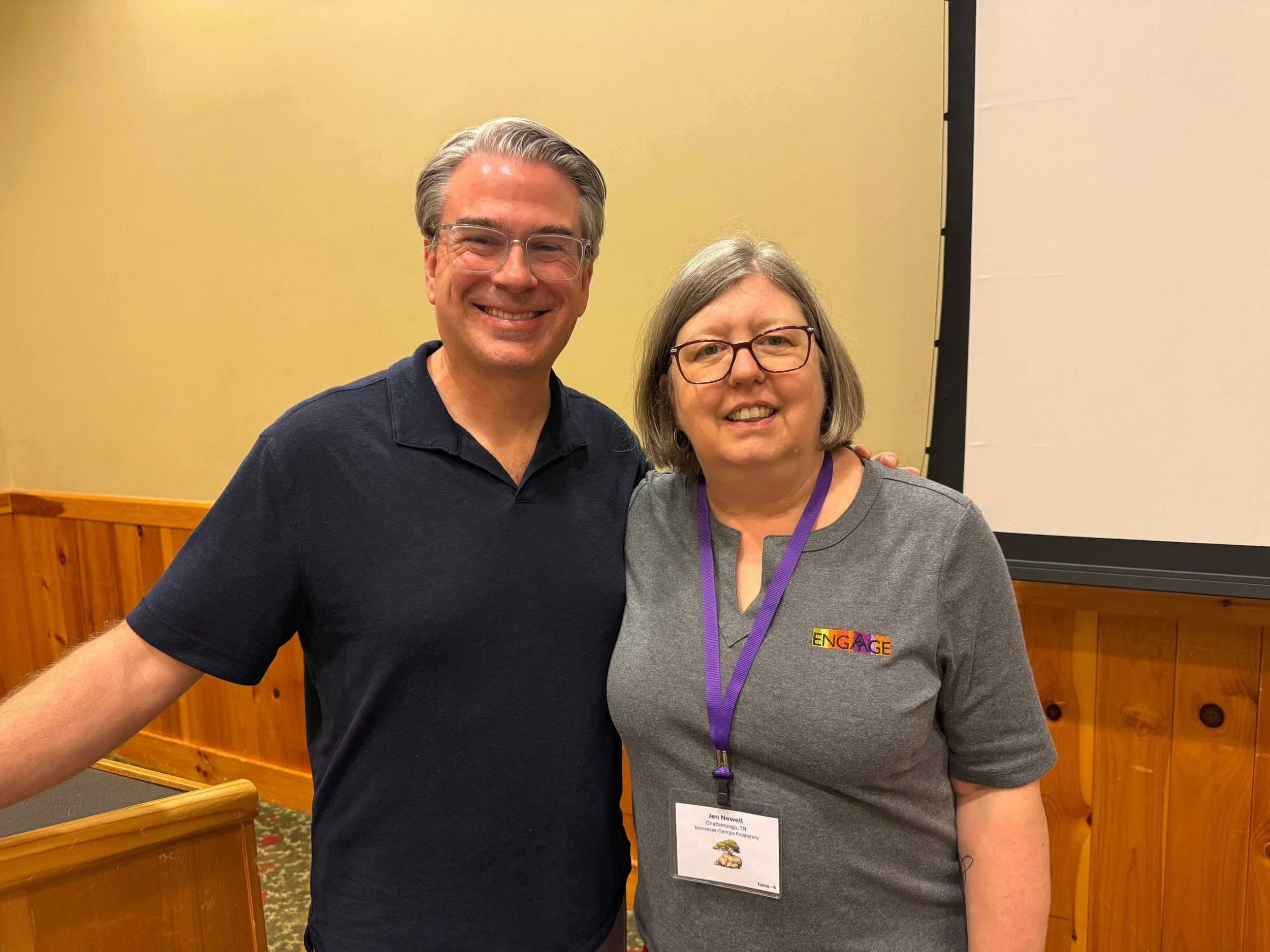
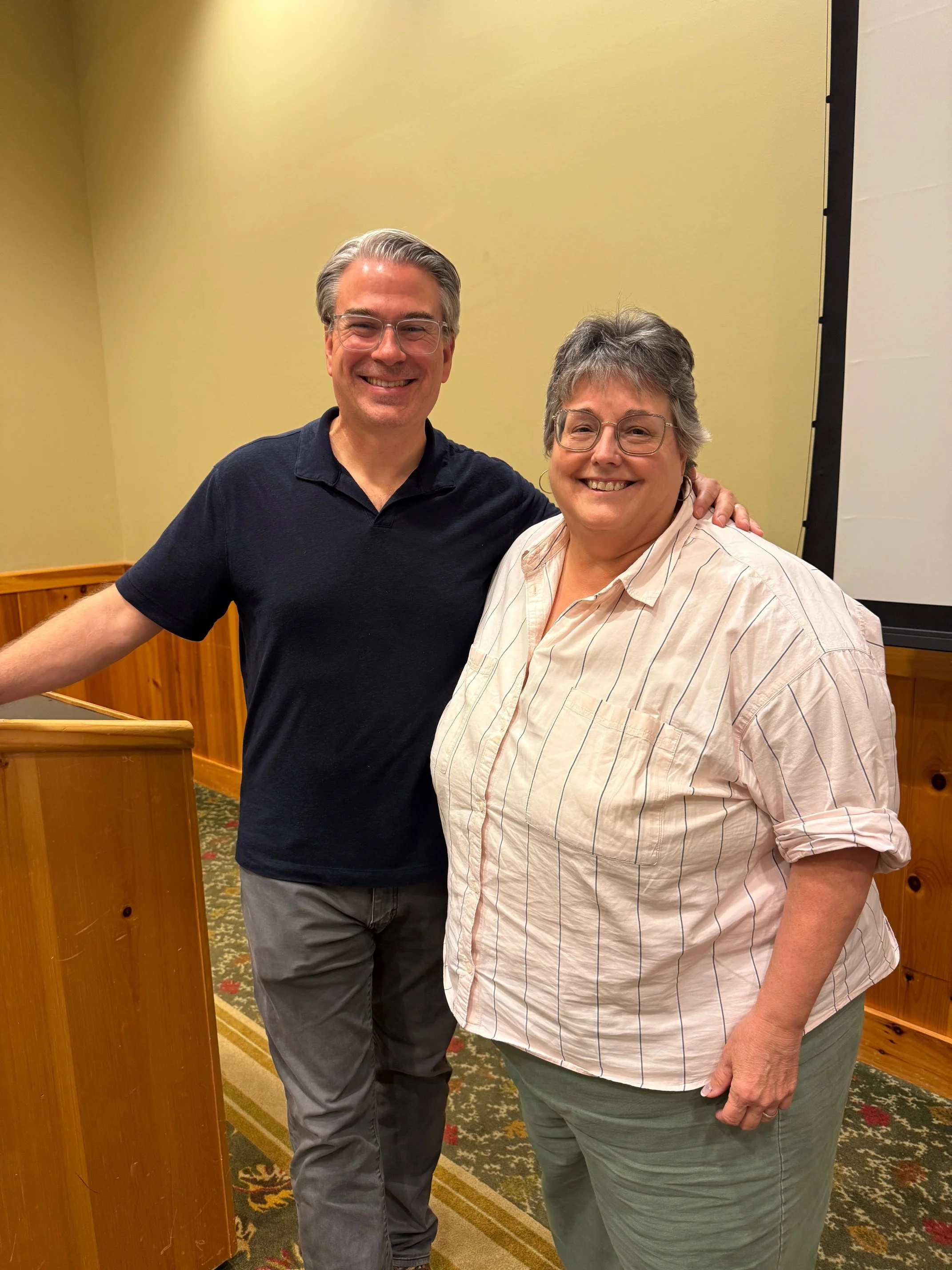
“Some of the conversations that started in your "Bucket List" workshop continued later that evening—as a group of us clergywomen sat at the bar.”
I was in ministry for more than 20 years.
Today, I am not.
The reasons are various and not the topic of this post.
Once upon a time, my jobs required my attendance at church 50 weeks per year. Recently, my connection to anything that passes for “church participation” has been loose at best.
Since I left healthcare leadership in 2023, I’ve been speaking professionally across the nation—not preaching every Sunday at church.
Most of my audiences are healthcare groups, not faith communities. Physicians, nurses, leaders, social workers--even billers and coders, human resources, and nursing professors.
Last year, an attendee at my workshop for the University of Memphis college of nursing referred me to a friend. She thought I should speak to their group, too.
Her friend wasn’t a healthcare leader. She was—you guessed it—a church leader for a multi-state Christian denomination.
I met with her several times as we developed a plan that included me serving their pastors over a five month period.
The plan included:
· Six online sessions
· 100 copies of my book on burnout
· Access to my courses on leadership and personal vitality
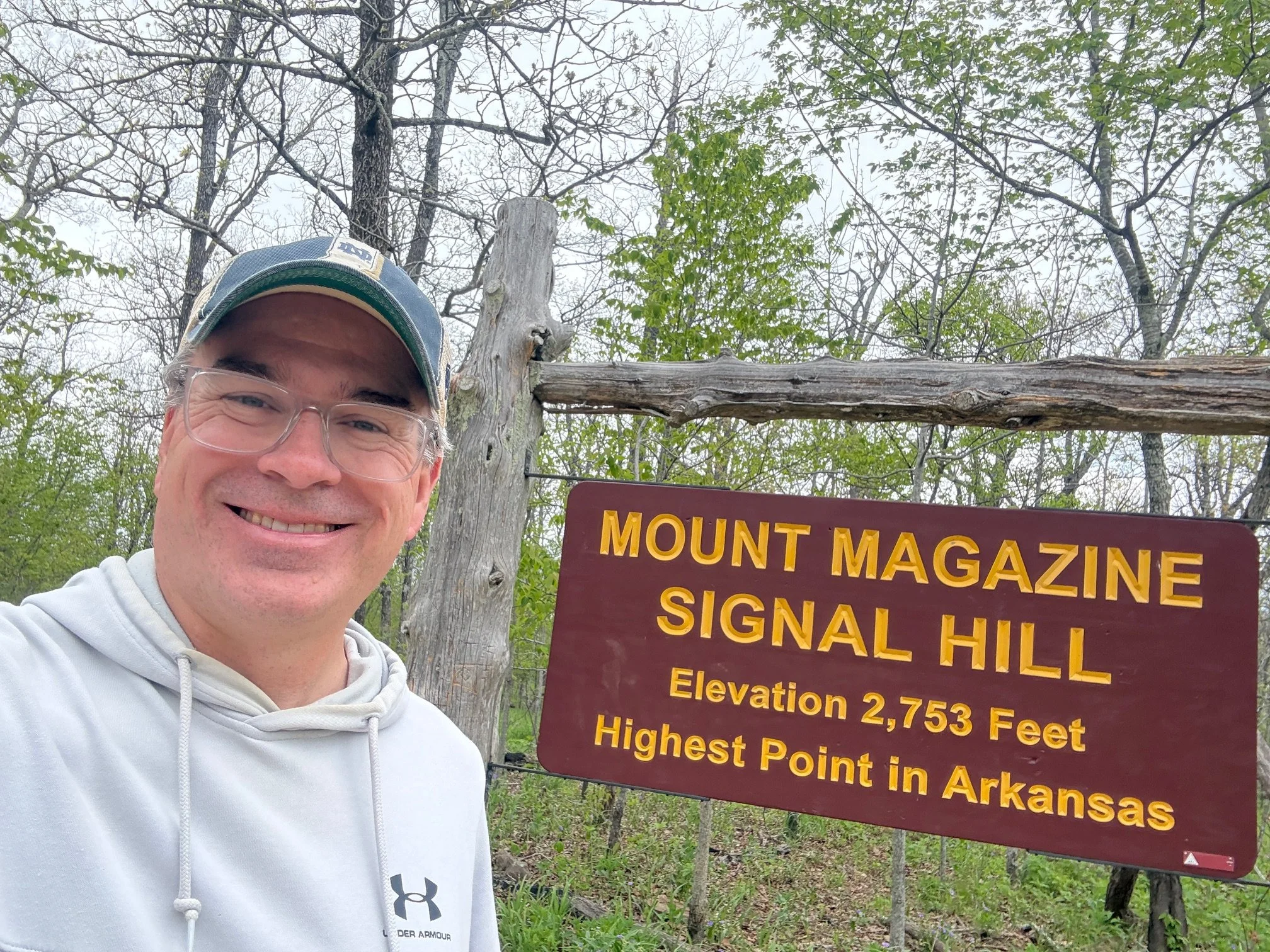
· Two in-person workshops at their retreat atop Mt. Magazine in Arkansas
The pastors were engaged during the online sessions, and last week Kristen and I drove 1,700 round trip miles to climb the steep and crooked path to Arkansas’s highest point.
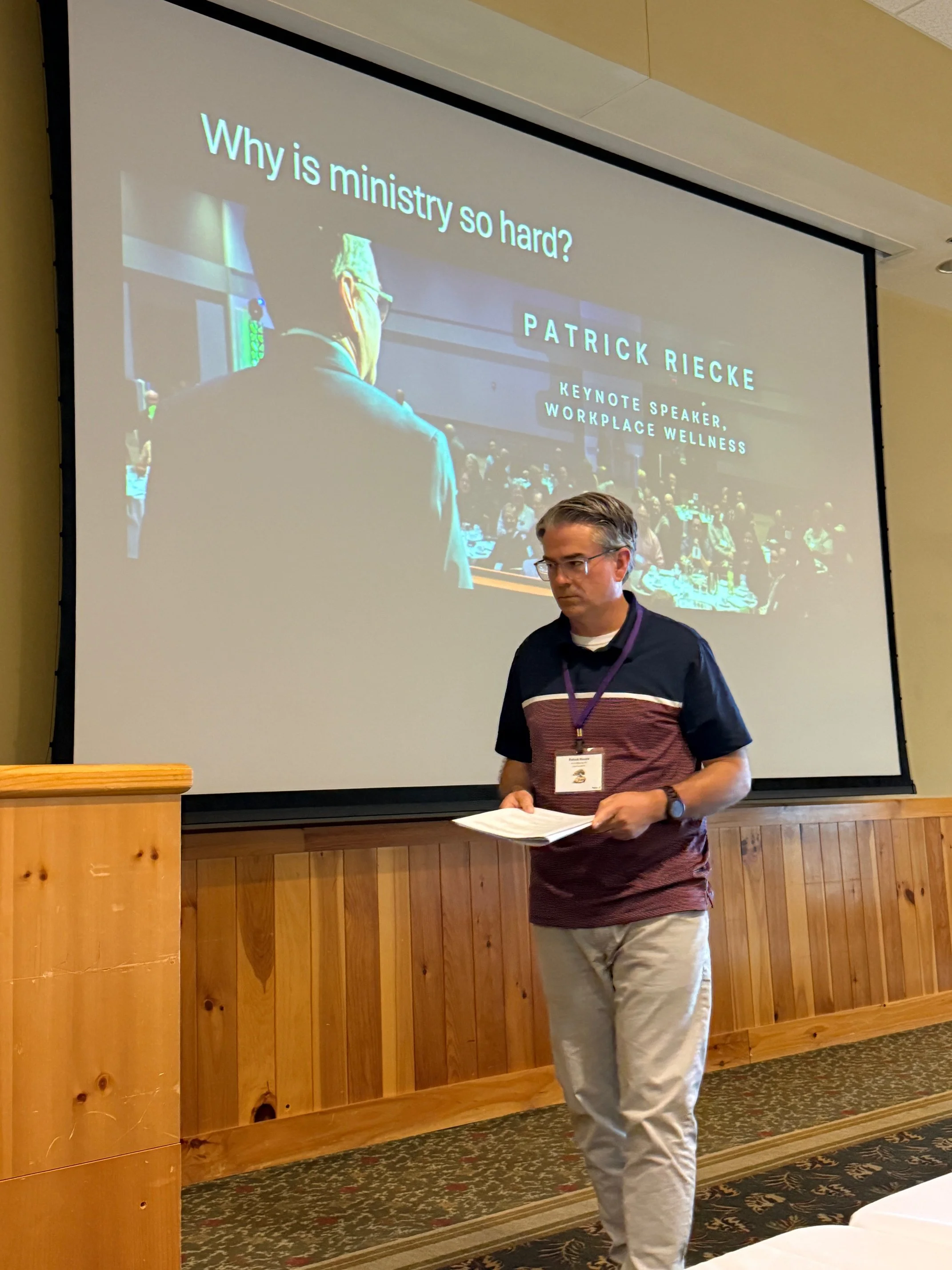
My first workshop—entitled “Why is ministry so hard?”—garnered some heartfelt and difficult conversations.
· The disappointments they had experienced in ministry
· The way politics has hurt them recently
· The effect of traumas and difficult times they have witnessed
It was a dark, meaningful conversation, but filled with laughter, too.
[This is, hands down, my favorite breed of conversation.]
However, I worried that it was too heavy--that it might impact attendance at the second workshop—“From Burnout to Bucket List.”
My concern was unfounded. The room was packed—every seat taken.
During that session, I pitched a wild idea.
I proposed that these pastors have worth and value in the EXACT same measure as the people they serve.
In other words—your congregants matter, but so do you.
The message—as I predicted—wasn’t received with unanimous acclaim. After all, pastors spend decades with selflessness and service as their focus.
“I struggle with this idea. Sure, I want to travel to Italy, but wouldn’t that money be better used to help the poor?”
“I read what you wrote on bucket lists, and I tried to start. But I can’t think of anything I want. After so many years as a mom and pastor, I don’t know HOW to want anything for myself. Am I broken?”
Through tears, I pressed them.
Pressured them to believe they are worthwhile—worth investment.
“If you sat down with a parishioner and they shared a dream with you, would you discourage them? Or cheer them on?”
Why do we believe those we serve deserve more than us?
Slowly. Gradually. They started adding items to their bucket lists—journals provided by the planners of the getaway set high in the Ozark Mountains.
Later, I got an email from their leader. She said, “Some of the conversations that started in your "Bucket List" workshop continued later that evening as a group of us clergywomen sat at the bar.”
Returning to my roots for this partnership—loving and investing in ministry leaders—buoyed my heart and reminded me of their selfless plight.
Would you like to partner like this to support your leaders? Contact me today.

7 Signs Your Team Is Quiet Quitting from Burnout (And What You Can Do This Week)
Not everyone resigns out loud. Some people just run out of energy.
They’re still showing up, logging in, sitting in meetings…but they’ve emotionally stepped back. This “quiet quitting” isn’t laziness—it’s burnout with a badge swipe. And leaders who miss the warning signs often only recognize it when someone turns in their notice—or worse.
Here are seven signs your team may be quietly quitting and a few practical ways to re-engage them before they’re gone.
1. They meet the deadline—but only the deadline
Work is getting done, but only at the minimum viable level. Creativity disappears. Initiative drops. They don’t volunteer (at least not voluntarily), they don’t dream, they just…complete.
Try this: Instead of asking for “more effort,” ask what’s making work feel heavier than it should. Burnout usually means something in the system—not the person—is broken.
2. They’ve stopped offering opinions
People who have the energy to care speak up. People who are emotionally exhausted might tap out of the conversation.
If cameras are off, chat is empty, and nobody has questions, it may not be peace—it may be disengagement and a lack of psychological safety.
Try this: Start meetings with, “What’s one thing making your work harder than it needs to be?” Then listen. Don’t solve it right away. Let people feel heard first—that will increase the psychological safety they feel.
3. You see more boundaries—but less energy
Healthy boundaries are good. But when someone declines every committee, project, and idea, it might be less about balance and more about survival mode.
Try this: Ask, “Are you protecting your time, or conserving your energy?” It’s a gentle way to open a real conversation without making them defensive.
4. Quiet cynicism replaces quiet pride
They used to say, “I love our team.” Now you hear, “It is what it is.”
Sarcasm, apathy, and “whatever” aren’t attitudes. They are warning signs. Especially in former high achievers.
Try this: Name what you see without judgment. “You used to care about this work. Now you seem angry and disengaged. What changed?”
5. They (might) use their PTO—but they come back just as exhausted
Time away helps…unless the problem isn’t physical exhaustion, but a lack of meaning. Burnout isn’t fixed by a weekend off. Sometimes it comes from moral distress—being unable to do the work the right way, especially in healthcare and human services.
Try this: Instead of “Did you rest?”, try “Is anything here getting in the way of doing your job the way you believe it should be done?” or “do you feel like you’re able to make a difference at work?”
6. Good coworkers turn into cynical coworkers
They’re no longer mentoring, helping, or checking in on others. The emotional bandwidth is gone. A sneer has replaced their joy.
Try this: Let them step back from “emotional labor” roles for a moment and ask how they are doing. Disillusionment shouldn’t be the punishment for being good at caring.
7. They aren’t angry—they’re numb
Anger means someone still cares. Numbness and cynicism mean they’ve shut down. That’s when resignations happen silently.
Try this: Replace “Let me know if you need anything” with, “I’m noticing you’re carrying a lot—what can I help take off your plate this week?”
So What Do You Do Now?
Burnout isn’t solved with a pizza party or a resilience webinar. It’s solved when leaders create cultures where people can do meaningful work without losing themselves in the process.
If you want practical tools—not just theories—I teach this in workshops and keynotes for organizations around the country. You can check my availability here:
https://patrickriecke.com/live-presentations
Or, if your team needs ongoing support and resources, explore The Burnout Hub here:
https://www.myburnouthub.com/learn-more